
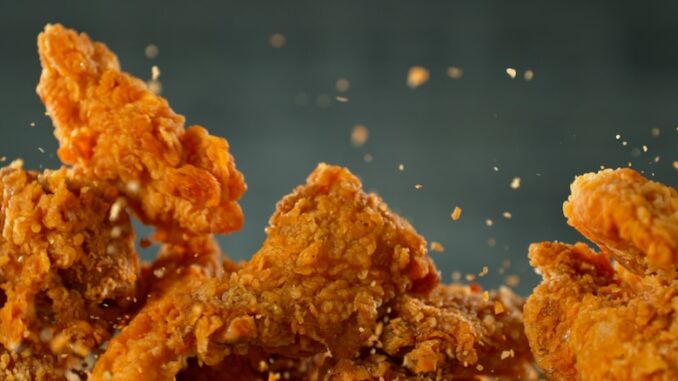
Within the frozen snacks and appetizers segment, the plant-based revolution is still making waves as traditional frozen snacks, like pizzas, samosas, and nuggets, have been reimagined with plant-based ingredients so that these products can also be marketed to vegetarians and flexitarians.
Brands are launching plant-based appetizers such as vegan mozzarella sticks, cauliflower bites, and mini tacos to try and appeal to as many consumers as possible.
It’s not just the brands that are changing habits, though; consumers are becoming more discerning about ingredient quality and sustainability, further pushing innovation in plant-based and healthier frozen snack alternatives.
Figures show an even clearer picture of this: The Good Food Institute, citing Euromonitor and SPINS/Circana retail data, reports that nearly 70% of plant-based meat and seafood sales in 2024 came from frozen products. That share underlines why many of the category’s best-known launches, from plant-based nuggets to vegan breaded fish fillets, have targeted the frozen aisle first.
Country-level numbers help illustrate the market’s weight. GFI Europe’s analysis of Circana data shows Germany’s plant-based retail sector across six major categories reached approximately EUR1.68bn in 2024, with frozen items playing an outsize role in plant-based meat and seafood sales.
Private-label affordability has also driven growth in markets like the Netherlands, Spain and the Nordic countries, as mainstream grocers have expanded their own vegan frozen lines alongside branded offerings. Exactitude’s report lists familiar drivers — rising health awareness, improved sensory quality of plant-based coatings and fillings, and a more diverse distribution footprint — as key to sustaining the projected growth curve. But it also notes headwinds.
Higher production costs, raw material supply constraints and uneven availability in some European regions remain constraints on faster adoption. For shoppers, that often translates into a price premium for vegan frozen products compared to conventional meat-based equivalents, though the gap has narrowed as more players enter the market.
To read the entire article, please access your complimentary e-copy of Frozen Food Europe January-February, 2026 issue here.