

Like many Western European countries, growth within the Italian food market has been hampered by the economic situation.
Much of the Italian food industry has been affected by the worsening economic situation experienced by the country. The Italian economy has continued to decline, while industrial production has shrunk by almost 25% over the last few years. In addition, Italy holds the largest debt in the Eurozone (currently estimated at over EUR2,000bn). Although these factors have had an adverse affect upon consumer spending, it has opened up opportunities for sectors of the food industry as Italians seek affordable meal centers. Italy has one of Western Europe’s smaller markets for frozen foods. In 2012, per capita consumption of frozen foods in Italy amounted to 10 kg, which ranks below the Western European average of 13 kg and considerably less than countries such as the UK (32 kg) and Germany (41 kg). Volume sales of frozen foods in Italy were therefore worth up to 610,000 tons. Together, frozen vegetables, fish and seafood account for over half of this figure. Much of the under-developed nature of the Italian frozen foods market can be attributed to the fact that most consumers (especially amongst the older age groups) have preferred to prepare and eat fresh foods. However, there is evidence that more Italian people are increasingly turning towards frozen foods as convenient and affordable meal options, a trend which has been responsible for much of the recent growth in sectors such as ready meals and pizza. In 2012, value sales of frozen foods in Italy were worth an estimated EUR9.55bn.
Ice Cream
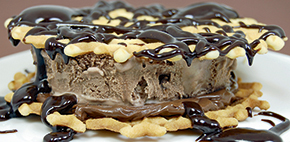 Italy has Western Europe’s largest ice cream market in value terms, with sales worth an estimated EUR2.65bn in 2012. However, at less than 4 liters, per capita consumption ranks well below other European countries such as Ireland (9.5 liters), Belgium (9 litres) and the Netherlands (8.9 litres). It should be noted that this data refers to industrially-manufactured ice cream alone, and exclude sales via artisanal channels. Italy has one of the world’s largest artisanal ice cream markets, and is home to over 30,000 specialist ice cream parlors. Together, take-home tubs and multipacks account for over 70% of the Italian industrial ice cream market in volume terms (see chart). Sales of multipack ice creams have benefited in particular from the growing trend amongst Italians to seek out products offering greater value for money, especially during the recent economic downturn. Impulse products account for an additional 24% of total market volume, although sales of dessert-style ice creams for home consumption (such as Unilever’s Viennetta brand) have declined of late. Other growth areas have included smaller ice cream products positioned as everyday treats (a sector in which the Magnum brand has featured), as well as healthier ice creams, such as those derived from soya.
Frozen Vegetables
With sales worth in excess of EUR800m, the frozen vegetables sector represents one of the largest within the Italian frozen foods market in value terms. In addition, the sector accounts for a leading 40% of the total market by volume, equivalent to sales worth around 245,000 tons, or nearly 4 kg per capita. Almost 70% of Italian consumers are thought to buy into the frozen vegetables category on a regular basis, although the sector did experience a volume decline of nearly 2% within the last year.
Frozen Fish/Seafood
 Value sales of frozen fish and seafood in Italy are currently worth just over EUR600m per year. In keeping with many Mediterranean countries, fish and seafood remains an integral part of the Italian diet – per capita consumption currently amounts to 24 kg, which equates to a market volume worth in the region of 1.45 million tons. However, development of the frozen sector has been hampered to an extent by the overwhelming preference to eat fish and/or seafood fresh – for example, over half (54%) of Italians buy fresh fish at least once a week. Nevertheless, the frozen sector continues to account for the bulk of the Italian market for coated fish and seafood products. The Italian market for frozen fish fingers, for example, was worth an estimated EUR110m in 2012, having grown in recent years as a result of more adults buying into the category. At EUR95m, sales of frozen coated fillets and portions are slightly lower, but their appeal is also thought to have grown in recent years as time-pressed consumers seek out convenient meal options. In value terms, fish fingers therefore account for a leading 54% of the Italian market for frozen coated fish products.
Frozen Ready Meals
Although their volume share of the total frozen foods market remains small, sales of frozen ready meals in Italy were worth an estimated EUR350m in 2012. This figure has continued to increase year-on-year, mainly as a result of growing demand from Italy’s rising number of single-person households (which is currently estimated at around 7 million). For much of this time-pressed consumer base, ready meals represent a convenient and affordable mealtime option. Volume sales of frozen ready meals in Italy are worth 68,000 tons, or 1.1 kg per capita. Frozen products account for up to two-thirds of the Italian ready meals market, with the chilled and ambient sectors accounting for the remainder. Although manufacturers have attempted to stimulate consumer interest in the category by launching a wider range of dishes (examples of which have included fish and vegetarian recipes), traditional favourites such as pasta and risotto continue to account for the bulk of sales.
Frozen Pizza
The pizza sector has been one of the better performers within the Italian frozen foods market within the last year. In 2012, market value increased by 9% to reach EUR340m, while volume sales are worth approximately 47,000 tons. The retail pizza market in Italy remains under-developed compared with larger European markets such as the UK and Germany, mainly as a result of the proliferation of unpackaged, freshly-made alternatives sold through many of the country’s grocery stores. The frozen sector holds a sizeable 90% of the Italian retail pizza market, with chilled products accounting for the remainder. The last few years have witnessed a period of intense price competition, as a result of which own-label products have increased in popularity. Italian consumers are fairly traditional in their tastes – this means that recipes and toppings such as Margherita continue to account for the bulk of sales .
Frozen Potato Products
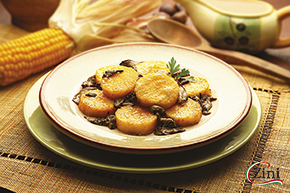 Italy has a sizeable market for frozen potato products, since 70% of consumers are thought to buy into the category on a regular basis. Volume sales are worth in the region of 135,000 tons per annum, of which the retail sector accounts for between 55% and 60%. In recent years, demand for frozen potato products is thought to have increased amongst younger urban consumers in particular, who display less inclination to cook meals from scratch.
Major Suppliers
One of the largest suppliers to the Italian frozen foods market is the Iglo Group, which is present in most parts of Europe. The company has owned the Findus Italy since 2010, and now competes in sectors such as fish and seafood (e.g. fish fingers), meat products (e.g. beef burgers and coated portions), pizza, ready meals and frozen vegetables (e.g. mushrooms). During the early part of 2013, Iglo undertook a major promotional campaign to distance itself from the horse meat scandal which had affected the Findus brand elsewhere in Western Europe, where it is owned by a different company. Via the Findus brand, Iglo leads the Italian market for frozen ready meals, accounting for over 60% of sales via large grocery outlets. Some of its leading sub-brands include the ‘Findus 4 Salti in Padella’ range of stir-fry meals, as well as the ‘Sofficini’ brand of crunchy frozen pancakes aimed at children. In the frozen vegetables sector, the company’s range includes peas, asparagus, spinach and mushrooms. The Findus business was sold to Iglo by Unilever, which continues to account for a leading 40% of the Italian ice cream market. The company’s brand portfolio includes internationally renowned products such as Magnum, Solero, Cornetto, Carte d’Or and Viennetta, as well as products designed for the local market (examples of which include Cremino, Café Zero and Croccante). Most of the company’s ice cream products are marketed under the Algida umbrella brand. A recent launch from the company was Magnum 5 Kisses, new versions of the Magnum brand (such as Loving Kiss and Stolen Kiss) which have also appeared in other Western European ice cream markets.
Unilever’s main rival in the Italian ice cream market is Nestlè, which accounts for between 15% and 20% of sales in the industrial sector. The company’s Italian-based ice cream business includes brands such as Motta, La Cremeria, Perugina, Vaschette, Hello Kitty and Maxibon. Most of its ice cream brands are present in a number of sectors, examples of which include take-home tubs, impulse and children’s products. Nestlè is also a major supplier of frozen pizza in Italy, largely on account of its Buitoni brand. Another company worthy of mention in this sector is R & R Ice Cream, which is Western Europe’s largest supplier to the own-label sector. During 2012, the company took control of Eskigel, Italy’s leading supplier of own-label ice cream, in a deal worth EUR77m. At the time of its acquisition, Eskigel had sales worth EUR81m, and a product range which included tubs, ice cream sticks and ice lollies. During April 2013, R & R itself was acquired by private equity firm PAI Partners, in a deal reported to be worth GBP715m. A number of pan-European seafood companies compete in the Italian market.
One such example is Pescanova Group of Spain, which produces up to 150,000 tons of frozen fish and seafood per annum. Besides its domestic operations, it also competes within other Western European markets such as Italy, France, Belgium and Portugal. Its product range includes fresh and frozen fish and seafood, as well as value-added items such as fish fingers and nuggets, calamari rings and breaded crab balls. Meanwhile, Frosta of Germany also competes in the Italian market for frozen fish and seafood. Its range includes fish fingers (which are mainly made from Alaskan Pollock), nuggets and breaded fish fillets. Elsewhere, AIA (which stands for Agricola Italiana Alimentare) is a leader in the Italian market for frozen poultry and meat, and also commands a pan-European presence. Forming part of the Veronesi Group, the company accounts for a leading 40% of the Italian poultry meat market. With an output of more than 300,000 tonnes of chicken meat per annum, AIA exports poultry meat and products to a number of other Western European countries, examples of which include Germany, Spain, Austria, Belgium and the UK. One company which is making an increasing impact within the Italian frozen foods market is Oetker of Germany, whose products appear under the Cameo brand. The company’s Ristorante brand of thin and crispy pizza now accounts for 20% of the retail frozen pizza market, up from 12% a few years ago. The Ristorante range now represents the second largest brand within the category, with Italian consumers displaying a particular fondness for varieties such as Four Cheese, Mushroom and Tuna.