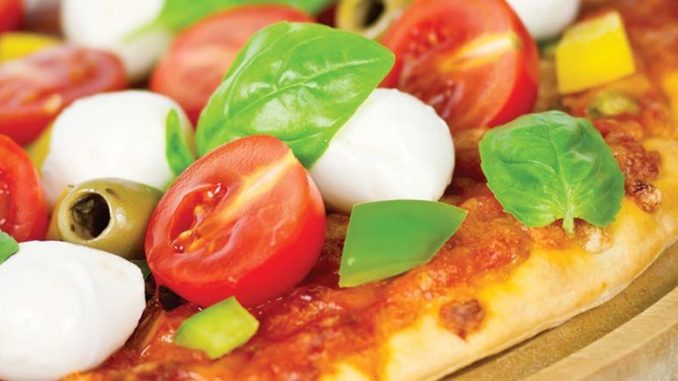
The topped Turkish flatbread offers an opportunity to differentiate premium frozen pizza in the UK.
By Mintel
As competition in the premium sector hots up, manufacturers should be thinking about differentiation in the premium space. Pide products may resonate with women because they are interested in flatbread and snack-sized pizza formats. Manufacturers should think broader than solely Turkish flavors and borrow from Middle Eastern, Mediterranean and North African cuisines for broad appeal.
The Turkish word ‘pide’ originates from the Greek word ‘pita’. A flatbread traditionally cooked in clay or stone ovens, pide is a Turkish staple. As with most traditional products, there is an element of disparity about pide’s history, but the general consensus is that it originated in or around the city of Samsun on the northern coast of Turkey. At its most simple, pide is a pillowy flatbread topped with sesame and/or nigella seeds, but the more modern içli pide dates back to the 1850s and can be described as a Turkish pizza: a thin oblong base loaded with toppings and folded into a boat shape, displaying, but also containing the fillings perfectly. There are many pide topping combinations popular across Turkey, but some of the most common ingredients include minced lamb, sujuk cured beef sausage, cheese, spinach and egg. Traditionally laced with copious amounts of butter, pide do not contain tomato sauce, relying on all the other flavors to shine through. UK pizza consumers eager for taste adventure are open to the idea of different sauces and flavors, and the clean, distinct flavors of pide strike a balance between being familiar and exotic. Twenty six percent of UK consumers are interested in pizza recipes inspired by other world cuisines, and Turkish pide fits the bill perfectly.
Frozen pizza category reacts to negative perceptions with premium innovation
In 2016, frozen pizza was suffering from an image problem, with 39% of UK consumers perceiving it as processed, compared to just 15% thinking the same of chilled pizza. Consumers were also much more likely to associate frozen pizza with attributes such as boring or poor quality than other types of pizza. This issue was compounded by a flurry of premium innovation in chilled pizza, price competition from the growth of discounters – especially Aldi – and price cuts by the major multiples. Value sales of frozen pizza dropped in 2016 as a result.
Since 2016, manufacturers of frozen pizza have been responding with high quality, premium innovation. Notable launches include Pizza Romano from Goodfellas and the Pizza Express Artisana range at Iceland. This activity, paired with the return of food price inflation means value sales were expected to outperform volume sales in 2017. Sales of frozen pizza were estimated to increase by just under 1% in 2017 to GBP437m.
The amount of premium innovation in both chilled and frozen pizza has exploded over the last few years. Chilled is way out in front, with a massive 43% of all UK chilled pizzas launched in 2017 having a premium positioning, up from 26% the previous year. In response to negative quality perceptions and competition from premium chilled pizza, premium frozen pizza innovation has really taken off from a low base, with over a fifth of all frozen launches having a premium positioning in 2017.
You can read the full article in the May-June print issue of Frozen Food Europe magazine.