
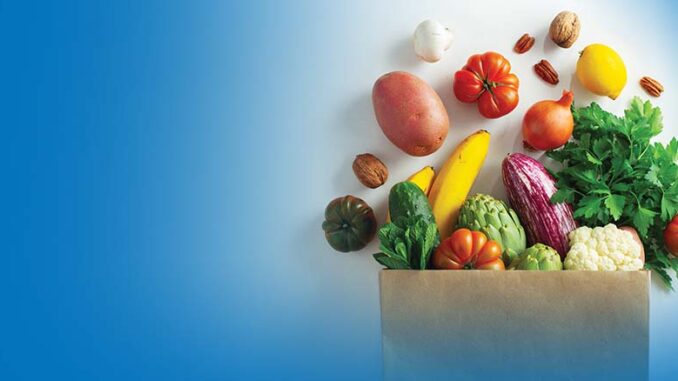
Having a look at the organic foods available on the market, plant-based foods are the most well-known and easily recognized by consumers. Fruits, vegetables, cereals, grains, nuts, mushroom, and seaweed, among others, can all fall under the category of organic foods, but they can only be called organic when produced according to rules laid down in the organic regulatory framework (Frozen Food Europe has described those rules and their impact on the industry back in 2019).
According to a study by Rambøll Management Consulting, which was commissioned by the Nordic Council of Ministers, “environmental concerns, food scares, production subsidies and political reforms have all contributed to the substantial growth in organic production and sales in recent years.
Based on the data from FiBL, global retail sales of certified organic products have increased to around EUR60bn in 2017 from approximately EUR23bn in 2005. In some national markets, organic sales reached close to 10% (with Denmark leading at 13%). Organic farmland increased substantially over the last years from 29,200,000 hectares in 2005 to 69,800,000 in 2017, and the current share of organic farmland is estimated at 1.4% on a global basis, the report shows. The organic food market is evolving especially in developed countries. About 90% of organic food sales happen in North America and Europe, although these two regions only have 25% of total organic land area.
Even though many consumers still perceive organic products as «luxury» for the privileged few, the products are gaining greater acceptance.” In the US, fresh fruits and vegetables have been the top selling category of organically grown food since the organic food industry started retailing products over 3 decades ago, and they are still outselling other food categories, according to the Nutrition Business Journal quoted by the US Department of Agriculture (USDA). 93% of all organic sales take place through conventional and natural food supermarkets and chains, according to the Organic Trade Association (OTA). OTA estimates the remaining 7% of US organic food sales occur through farmers’ markets, foodservice, and marketing channels other than retail stores.
Additionally, the number of farmers’ markets in the United States has grown steadily from 1,755 markets in 1994, when USDA began to track them, to over 8,144 in 2013. In Great Britain, the prospect of a diet packed with chickpeas, lentils, and quinoa appears to be more tempting as of late, as a 2020 research from Mintel revealed that a quarter (25%) of young British Millennials (aged 21-30) say that the COVID-19 pandemic has made a vegan diet more appealing. These plant-loving Millennials are not alone, as the research reveals that a vegan diet is proving more attractive to over one in ten (12%) of all Brits, rising to almost a quarter (22%) of Londoners, since the start of the pandemic.
This comes as Mintel research indicates there is a strong belief in the healing power of plants, as half of Brits (51%) believe plant/botanical ingredients (herbs, spices) can have medicinal benefits. A quarter (23%) of Brits say they are eating more fruit and vegetables since the start of the outbreak. Generation Z (aged 20 and under) (31%) and Millennials (21-40) (27%) are most likely to be keeping their fridges well-stocked with this healthy produce. Shining a light on citrus fruits in particular, two thirds (66%) of Brits believe consuming vitamin C helps support the immune system. Overall, almost two in five (37%) Brits say the COVID-19 outbreak has prompted them to add more nutrients that support the immune system to their diet.
To read the entire article, please access your complimentary e-copy of Frozen Food Europe January-February, 2022 issue here.