

In 2012, frozen processed food in Germany registered a 1% decline in current value terms, while retail volume sales stagnated. This performance was mainly due to price competition in a highly competitive landscape and the development of organic and other health and wellness frozen processed food types.
While consumers in other European countries may have reduced their spending in response to the euro crisis, German consumers continued to consume higher quality foods in 2012. Frozen processed food has long been celebrated for its high level of convenience among German consumers. However, 2012 saw growing concerns about the chemicals used to produce these products. This was due to multiple food scandals in 2010 and 2011, which negatively affected demand.
Average unit price declines by 1%
Average unit price in frozen processed food declined by 1%, in current terms, in 2012. However, average unit price in frozen processed red meat and frozen bakery registered a stronger decline. These price movements were related to the fall in global prices of necessary raw materials. Furthermore, the decline in average unit price in frozen processed food was also due to the low prices of private label products and the strong retail value share held by discounters. Frozen meat substitutes posted strong year-on-year double-digit growth in both retail volume and current value terms over the review period. Manufacturers and retailers have become aware of the strong potential of frozen meat substitutes due to the impact of socioeconomic changes. These include the increasing number of vegetarians in Germany and the growing environmental concerns of local consumers.
Fish fingers – a popular dish
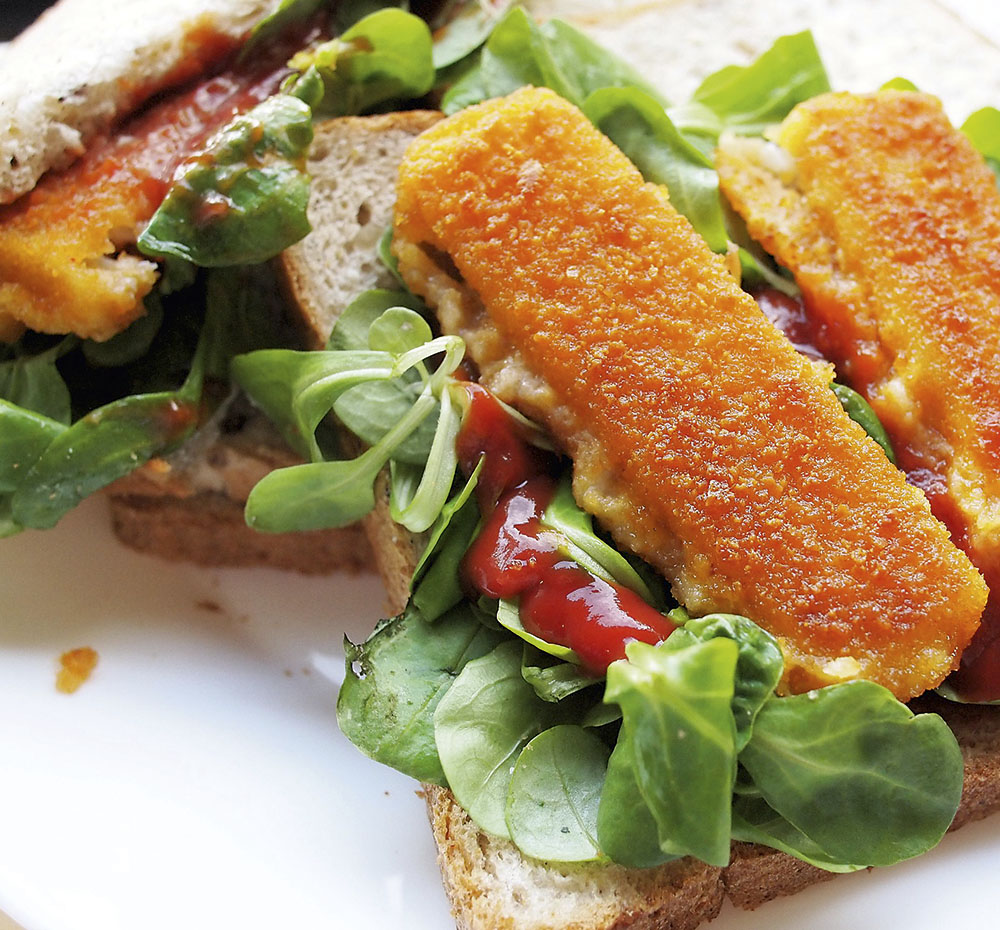
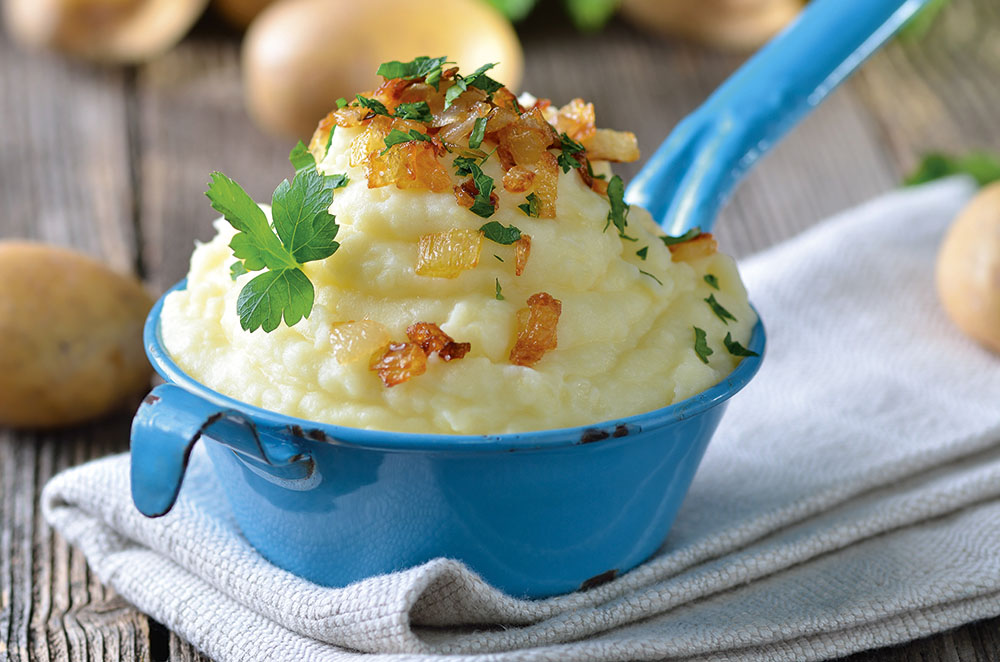 The most popular type of frozen processed fish/seafood remained coated fish fillets, which commanded a 22% retail value share in 2012. Processed fish fillets and fish fingers followed very closely behind. Fish fingers are particularly popular among children in Germany, often accompanied by mashed potatoes. Seafood, meanwhile, continued to gain ground, accounting for a 20% share of retail value sales in 2012. In 2012, frozen processed red meat sales continued to decline in retail volume terms, albeit at a slower rate than in the previous two years. However, the rate of decline in current value sales continued to accelerate. The shrinkage in retail volume and value sales was attributable to the growing environmental concerns and the healthier eating habits of German consumers, which significantly impacted purchasing habits. Sausages, the most popular type of frozen processed red meat in Germany, accounted for a 47% share of retail value sales in 2012. Wiener schnitzel, which is very popular across the whole of Germany, and meat balls, followed with retail value shares of 26% and 16%, respectively. In frozen processed poultry, coated chicken remained the most popular type, with a retail value share of 32% in 2012. Chicken nuggets, another very popular type due to the versatility factor, accounted for a 30% share. Meanwhile, chicken cordon bleu maintained an 8% retail value share.
Ethnic-style cooking boosts demand for frozen vegetables
Despite consumer concerns about the origins of frozen vegetables, vegetable mixes registered the highest retail value share of 38% in 2012, an increase of one percentage point on 2011. Vegetable mixes offer convenience, while the growing trend towards ethnic-style cooking also boosted sales. Spinach’s retail value share stagnated at 20% over 2010-2012. Meanwhile, broccoli, cauliflower and peas all recorded marginal declines in retail value share in 2012. According to industry sources, snacks performed well in “other” frozen processed food, accounting for more than one half of retail value sales in 2012. Meanwhile, fruits and herbs spices each held a 19% retail value share.
Competitive landscape
 As in many other packaged food categories, Aldi Einkauf and other private label players continued to lead frozen processed food. Overall, private label accounted for a 38% share of retail value sales of frozen processed food in 2012. The top branded player is Iglo Deutschland GmbH thanks to its leading position in large categories such as frozen processed fish/seafood, poultry and vegetables. In 2012, the company ranked second in frozen processed food with a 12% share of retail value sales. The development of Iglo Deutschland’s product portfolio and preferential shelf placement helped to retain the interest of consumers. The company offers a diverse range of products, available to customers in various retail channels. As in 2011, Iglo Deutschland increased its retail value share by one percentage point in 2012. Domestic players such as Bofrost Dienstleistungs GmbH have focused heavily on new value-added offerings. Following three years of investment in research and development, the company introduced the “FrischePlus” (“Fresh Plus”) line in 2012. This marketing label for frozen processed vegetables promotes better quality products.
Looking ahead
Euromonitor International projects sales of frozen processed food to decline by 6% in constant value terms over the 2012-2017 period. Frozen processed food in Germany is set to be affected by a decline in consumer spending power. Higher quality food trends will continue to exert a strong influence on development. Nonetheless, innovative new product developments are unlikely to prevent a slump in unit prices due to the strong position of discounters. Frozen processed red meat is expected to continue to register a retail volume and value sales decline over the forecast period. This will be mainly due to a shift towards other products perceived as healthier. The performance of frozen processed food will be determined by demand for easy-to-prepare home-style dishes with fresher ingredients. As German consumers are expected to embrace healthy eating habits, the health and wellness trend will continue to exert a strong influence on the development of frozen processed food as a whole. The average unit price is set to fall in all categories except frozen soup over the forecast period. Higher unit prices of frozen processed food may result in further reductions in retail volume sales, to the extent that price increases would no longer be sufficient to offset rising raw material and packaging costs for manufacturers.