

The growing number of various ethnicities in Europe has lead to an increase in availability for specialized regional and ethnic foods, which in turn has determined both producers and retailers to focus on providing more options for consumers who seek specialities such as Halal, Asian, Mexican or other non Western European types of food.
Special dietary laws associated with certain cultures and their religious beliefs, such as the Muslim community, have been having a stronger impact on the food and drink industry in Europe. Producers, from the small and medium sized to giants such as Nestle, have begun to introduce products targeting certain immigrant communities, such as Halal foodstuffs. Moreover, retailers in various countries with significant ethnic populations are creating special aisles with products dedicated to them, as is the case with Carrefour in France, where the Halal market is estimated at over EUR 5bn. Although not as obvious as for other product categories, such as the shelf-stable and chilled ones, ethnic frozen food has become more available: product launches belonging to the Halal frozen food category have increased for example, retailers offering a wider range of goods, such as halal soups, sauces, cold cuts, baby foods and other processed foods.
Opportunities in Russia
 According to research company Mintel, the Russian market is also attractive. The country is home to Europe’s largest number of Muslims, with 16.4 million followers of Islam recorded in 2010. Moscow also has the largest population of Muslims of any city in Europe, with estimates ranging from between two to three million consumers. As a result, the Halal Standard Committee at the Tatarstan Islamic High Council has estimated that halal volumes are growing by between 30% and 40% annually in the country. This growth is anticipated to continue in the future as Russia’s young Muslims are more devout than their parents. The Pew Research Center discovered that Islam played a key role in the lives of 48% of Russian Muslims aged between 18 and 34, compared to 41% of the over 35s. It was the only country in the study where the younger generation of Muslims were more devout than their elders. However, many of Russia’s Muslims reside in the North Caucasus region, between the Black Sea and the Caspian Sea, including the republics of Chechnya and Dagestan.
This region is less developed than central and Western Russia and is plagued by violence and insurgencies by ethnic groups. It is mostly agricultural with low levels of urbanization, education and infrastructure and currently offers limited opportunities for halal brands, particularly frozen producers. It does, however, have potential. Investment in the North Caucasus has surged in recent years. According to information provided by Mintel, the Russian government established the North Caucasus Development Corporation to oversee 30 investment projects in the region worth $5.3 billion, which are designed to develop the area by 2025. Agriculture, tourism and information technology will all be improved under the ambitious project, which also aims to low risks for investors and stimulate business activity. If successful, this initiative could bring with it greater prosperity and stability to the region, increasing its appeal to halal brands.
Ethnicity – beyond Halal
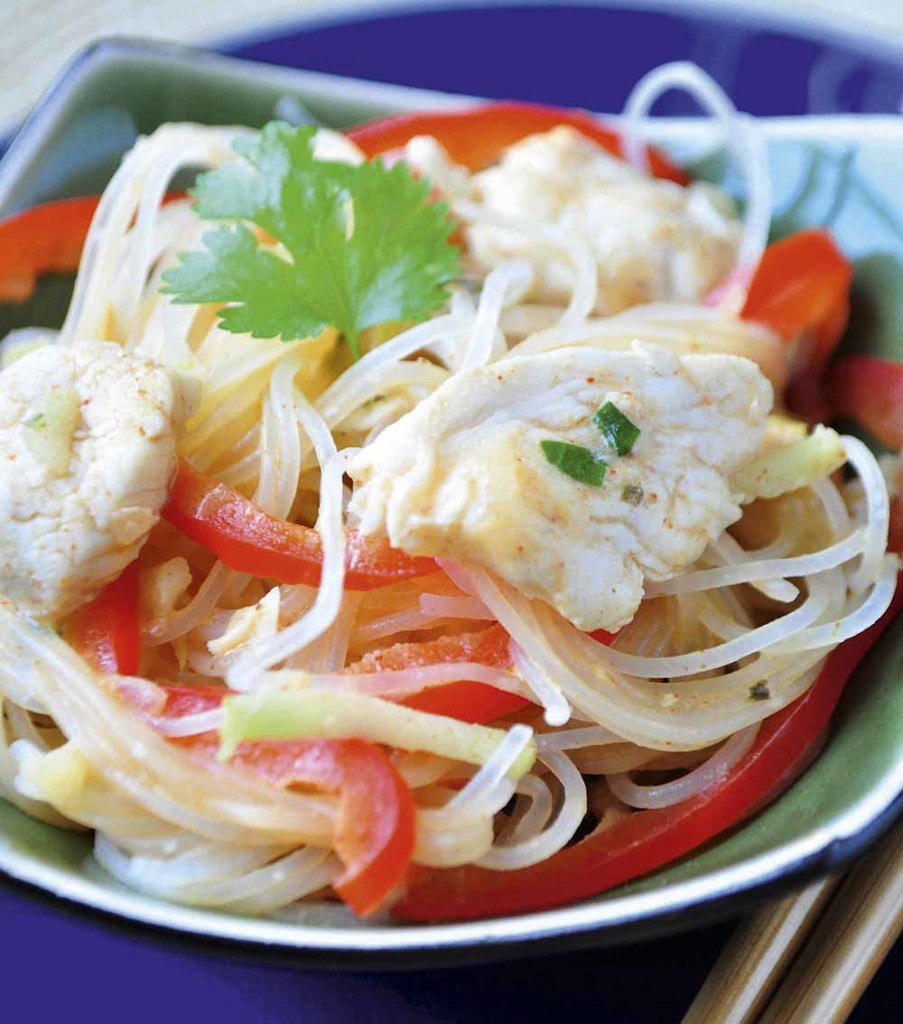 The growing interest in non-European food products expands beyond the Muslim cuisine, a reason why next year, Amsterdam plays host to a new edition of the trade fair Ethnic Foods Europe, which the organizers call a platform to network, find innovative and authentic recipes, taste healthy and delicious foods and be informed about the latest market developments for Asian, Arab, Chinese, Indian, Mexican, Turkish, North African, Middle Eastern, Afro-Caribbean and other World Food. The 2014 edition will take place at the same time as Horecava, the largest Foodservice trade fair of the Benelux and many new exhibitors have applied for the 2014 event, including Agrover SRL, IMI International Limited, Aheco African Food & Cosmetics, MAXX Food Solutions and Longhai Dongzhisheng Foods co. Ltd., together with companies that were present at previous exhibitions, with brands such as Tok GmbH, Sera Foods, Novarroz, Kayida and Mama’s Food having already confirmed their participation for EFE 2014.
Also Suree Interfoods, Jumbo, Harboes Bryggerier and Matrade will once again be present. “We expect to welcome 75 exhibitors from all over the world, and already have many countries represented; The Netherlands, England, Germany, Thailand, Macedonia (Balkan), Denmark, Portugal, Turkey, China, Malaysia and many other countries. We are confident to present you an exhibition with a broad range of products and tastes from around the world”, said exhibition manager Luuk Scholte from Amsterdam RAI.
In his turn, Ronald Holman, Exhibition Director Ethnic Foods Europe concluded: “All in all I think the ethnic foods market is currently in a strong position at the moment and will continue to grow and develop in the near future. I expect to see certain ethnic foods become mainstream. This has already happened in the UK where Chicken Tikka Masala is now the most popular dish in UK restaurants and has even been called “Britain’s true national dish.” I expect to see similar ethnic dishes rising up the popularity charts in other European countries and become accepted by the large supermarkets. I also anticipate the arrival of new ethnic foods. I would not be surprised to see food items from the Arabic peninsula and Turkey increase their market share. I also think we will get a broader variety of suppliers operating in Europe, both large ones and smaller specialty suppliers. In parallel, as customers buy more ethnic foods, their expectations will rise so quality levels will become higher.”