

On the occasion of the freshly rebranded Seafood Expo Global, formerly the ESE, renowned players on the fish and seafood market are presenting novelties in their portfolio, both on the food segment, as well as in the field of fish and seafood processing.
For Anova Seafood, the central theme of Seafood Expo Global in Brussels this year will be “tasty fish”, not forgetting the sustainable and fair trade component in the range of products, some of which are certified by the Marine Stewardship Council (MSC) and the Aquaculture Stewardship Council (ASC). With a competitive range of frozen fish in their portfolio, Anova Seafood BV is a leading seafood supplier for the European retail and foodservice sector. Each year, Anova markets 30,000 tonnes of fish products, generating over EUR 100m in turnover, with retail dominating its core business, by close to 70 percent: supermarket chains throughout Europe are responsible for 60 to 70 percent of all seafood products purchased from Anova Seafood. In order to see fish and seafood consumption increase, the company’s strategy includes close attention paid to the manner in which their supply chain is organized.
“We choose literally the quickest and best path from the fishing grounds to your plate, fresh and tasty! The frozen-at-sea MSC cod is a perfect example: the cod is filleted and frozen on board within six hours of being caught, ensuring optimal conservation of quality and flavor. For years fish-lovers and chefs could only rely on real fresh products for premium quality cod. Thanks to the frozen-at-sea process, Anova Seafood can now offer deepfreeze cod which is a worthy supplement to fresh cod”, according to Willem Huisman, director at Anova Seafood. With the occasion of Seafood Expo Global, the company has put together a team of professional chefs, who will prepare samples of some of the highlights in its portfolio at its Stand 1023 in hall 6.
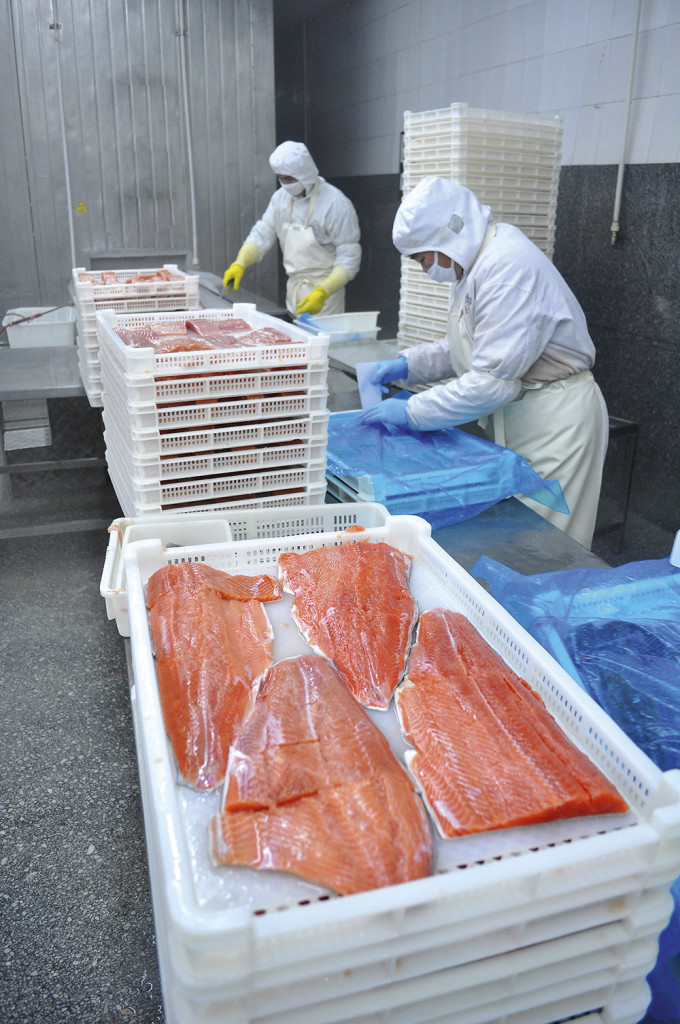 Supporting traceability and sustainable fisheries
Worldwide, more and more companies increase their focus on fish and seafood products which are sourced sustainably, from certified fisheries and which can be traced back all the way from production to fork. These are reasons why non-profit organizations, such as the MSC and ASC have been set up to help transform the seafood market to a sustainable basis. The MSC has offices in London, Seattle, Tokyo, Sydney, The Hague, Glasgow, Berlin, Cape Town, Paris, Singapore, Reykjavik, Madrid and Stockholm. Worldwide, more than 19,000 seafood products, which can be traced back to the certified sustainable fisheries, bear the blue MSC ecolabel. Similarly, the ASC works with aquaculture producers, seafood processors, retail and foodservice companies, scientists, conservation groups and consumers to recognize and reward responsible aquaculture through the ASC aquaculture certification program and seafood label, to promote best environmental and social choice when buying seafood and therefore to contribute to transforming seafood markets towards sustainability.
One of the recent actions undertaken by the latter has been focused on Japan’s retailing sector, via a collaboration with Aeon, the country’s largest retailer and the first store in the country to sell Aquaculture Stewardship Council (ASC) certified salmon. On the matter, Kinzo Matsumoto, general manager, Sea Food Department, Food Merchandising Planning Div., Aeon Retail said “Aeon is proud to support sustainable seafood. With this market launch of ASC certified farmed Atlantic salmon, we are excited to be able to offer our customers an even wider range of responsible choices when shopping for fish. The on-pack ASC logo guarantees that the fish comes from farms that ensure that their environmental and social impacts are minimized.”
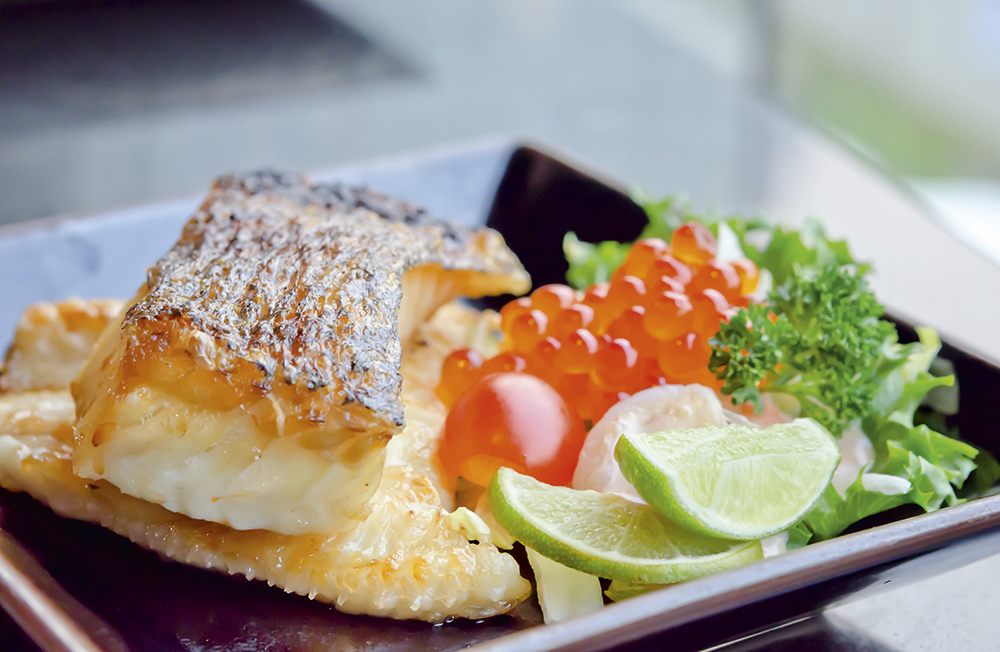 Whitefish processing equipment
Technical innovations will also be introduced during the Brussels trade fair dedicated to fish and seafood, with one of them belonging to specialist giant Marel. Using its over 30 years’ experience in the fish processing industry, the company has built on its extensive expertise in portioning, X-ray, and robot technology to develop the FleXicut. This innovative trimming robot uses the latest X-ray technology to locate the pinbones with high accuracy, and then remove them. By using water-jets for the bone removal process, which is more flexible than blade cutting, the FleXicut can perform a variety of cutting patterns, and the angle cutting option allows it to follow the curved lines of the bone frame very closely, thereby further reducing pinbone material. This means significant yield gains in the loin – the most valuable part of the fish. The automation of the process enables processors to produce bone-free products with virtually no manual handling and introduce new products such as skin-on loins and baby fillets.
FleXicut incorporates two critical processing steps in one machine; locating the pinbones precisely, and cutting/trimming to remove the bones. The equipment consists of high resolution X-ray detection, image control, and a water-jet cutting mechanism for removing pinbones. “Determining the orientation of the bones is critical to improving the yield,” Marel’s director of product development Kristjan Hallvardsson explains. Cutting out less flesh on the V-cut will leave more on the loin. “At present, 6-10% of the fillet is removed manually by the V-cut to take out the pinbones. The goal is to achieve as much as 2-4% improvement in yield, which represents significant added value for our customers. ”Since the process is completely automated, the company believes the new equipment, if successful in terms of rolling out and implementation by business partners, will dramatically change the whitefish industry, by reducing the need for skilled labor and improving yields. Visitors to the trade fair can watch live demonstrations at Seafood Processing Global, Stand 6227, Hall 4, May 6-8.