
It had become usual for Britons to spend time and money eating out; three times a week was nothing unusual. But the global financial crisis has meant top restaurant chains such as Tom Aiken’s and Gordon Ramsay’s hardly out of the news – but for the worst reasons, as this time they featured on financial pages.
Stories of unpaid suppliers threatening action, accounts filed late, rumors of Icelandic banks’ involvement has filled the pages of financial magazine Accountancy Age, rather than glossy pages of adulation in consumer magazines. Winning in the credit crunch downsizing crisis is Pizza. Shelves in UK outlets are now filling up with this Italian fast food, as more customers decide to forgo a restaurant meal and buy a pizza to cook at home, or order one in from the local take-away. As Chris Moore, CEO of Domino’’ Pizza remarked, “a lot of people are staying at home, instead of going out – but they have not developed an immediate desire to cook, so they are ordering in”. However, as supermarkets fight for consumer cash, prices of in-store pizza are highlighted with adverts announcing “Buy one, Get one Free – known as ‘BOGOF’. Whilst sales of Pizza are declining in Pizza restaurants (could this be because one major chain has been accused of watering down its tomato topping?), in-store sales, with or without BOGOF, are showing signs of bucking the downturn. Turning on the oven to heat up a ready-made pizza can be counted as ‘cooking’, so everyone is happy, except major pizza suppliers forced to provide lines as the basis for BOGOF sales – and are worried that these could dilute the market.
Changes in consumer behavior
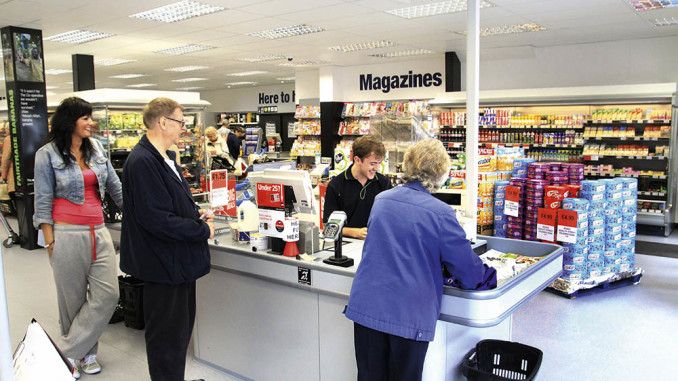
 The downturn in the economy is distorting figures, and the way that customers are saving money shows some unusual trends. As well as no longer going out for regular restaurant meals, customers are ‘downsizing’, and changing their regular supermarket with a less expensive outlet, changing organic food for ordinary produce, not buying luxuries, and being much more price conscious. With an official downturn in turnover last month of 8.3%, supermarkets are looking at ways of retaining customers and ensuring turnover remains the same. One way of doing this is to cut payments to suppliers. Tesco has caused outrage amongst farmers and growers in Britain by calling in suppliers for what they describe as ‘friendly’ chats (I couldn’t possibly tell you the description suppliers give), asking for major financial contributions from these companies. Many are small businesses, and will face real hardship if forced to extend credit terms from 30 to 60 days. One supplier is quoted in The Grocer as saying that he has been asked to contribute a sum equivalent to 15% of his turnover towards a promotion to “shore up Tesco’s market share”. Morrison’s (one of the less expensive chains), last month announced record sales, mainly thanks to shoppers turning to them for cheaper prices, rather than the major stores. But otherwise, even with the rise in population, the UK Treasury has admitted zero growth for food sales year on year – and that is worrying all the big boys, particularly with Christmas coming up.
What’s on offer
Supermarkets also supply fast food, and devote a huge amount of space to products that customers can eat at their desk, or on-the-go, especially at lunch time. Most are saying spending is up, with sandwiches one of most popular options, but wraps and filled baguettes are now gaining more shelf space. However, this type of food received a bad press for their high calorie count, so today, makers use low fat spread, low calorie mayonnaise and other bulking agents designed to qualify as healthy eating. Whilst supermarket chiefs are worried about the downturn in customer spend, health chiefs – and the Government that is going to have to pay for unhealthy eating problems – face a bleak winter. A recent survey by Synovate said UK residents were most likely to nominate “no self discipline” as the leading factor in obesity. And researchers found some 45% in the UK agreed with the statement “I like the taste of fast food too much to give it up”.
What do British consumers prefer?
 If Britons want to eat at home, then the ubiquitous British sausage, (containing a high proportion of bread), is the housewife’s favorite fast food. The industry does not class these as ‘fast food’, but to the average housewife they are the fastest meat ingredient they can cook when preparing a traditional meat and two vegetables meal. Ferndale Foods supply IQF (Individually Quick Frozen) sausages to the trade, which can be eaten cold as a fast food, or reheated. To give them more appeal, they are supplied oven-roasted for a natural, well-browned appearance. Peter Snabel, Ferndale’s Development Manager, says by far the most popular product is their pork sausage – probably 70-80% of the range, with Lincolnshire Sausage (with herbs) or Cumberland (with black pepper), following on. Airlines and train companies are big customers for their pre-cooked sausages, and although many companies now supply novel ingredients for the sausage stuffing, such as venison, lamb, chicken, vegetarian etc., it is still pork that is the first choice. Another traditional Britain food was Fish and Chips – usually wrapped in yesterday’s newspaper, until health inspectors said this was unhealthy (was this because newspapers featured saucy photos?). Today, there are concerns about over-fishing, and unknown fish varieties are often featured, but provided the British get their chips, (preferably fried in beef dripping), they are happy, as they wander home eating out of a packet after a night out.
Other types of food appealing to consumers
Some foods are bucking the trend, such as Bananas, happily reporting an upsurge in sales. This fruit has become one of the favorite fast food snacks in Britain, and most stores will have individual bananas for sale next to sandwiches. Sales are helped by the fact that they are an important part of the Government’s ‘Five a day’ fruit and vegetable advice, feature strongly in posters and advertising, and customers feel they can still eat healthily even if they cut down with other fruit and vegetables. According to Organic Monitor, Bananas are not only healthy fruit, but since going over to Fairtrade initiatives, Sainsbury’s has recorded a 6% increase in sales. Their stores now sell a massive 1,000 bananas a minute, and have helped celebrate the stores’ decision to join with the Fair Development Fund, selling produce from producers in developing countries. Crisps are another popular snack, but here healthy Crips are producing competition.
 The oven-baked wheat and potato chip is 75% lower in fat than traditional fried potato crisps, and appeals to health-conscious consumers with an appetite for something special, according to Crips Managing Director Gareth Smith. “One of the great things about Crips is they’re a premium product, with a premium taste, but they are much healthier than many other snacks,” said Gareth. “Let’s face it, we all like to indulge ourselves with gourmet snacks, but if we can choose something that’s healthier, then it’s so much better for us. Crips have also been voted number one in independent tests on lower-fat snacks – on taste, texture and appearance”. However, other foods are not getting such a good press, and today Starbucks (a leader in the fast food take-out market in upmarket locations) was slammed in a report issued by CASH (Consensus Action on Salt and Health). A recent study shows a cup of Starbucks coffee and one of their muffins – the staple breakfast for many office workers today – contains around 1/3rd of the recommended daily salt intake. This is worrying, as this type of consumer is very health-conscious, and believed muffins to be healthy. With obesity fast becoming the major health problem for Governments, health chiefs in Britain are increasingly worried that the average Briton is one of the biggest consumers of ‘fast food’. Britain has taken to the Burger, with a backlash in the press.