
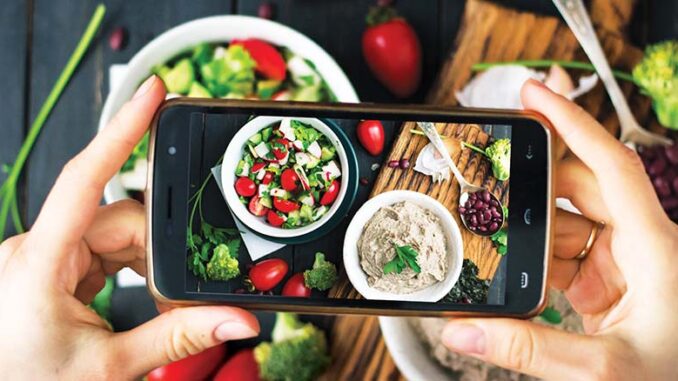
If some while ago the differences between “vegetarian” and “vegan” were not yet well known among consumers, nor the ranges for these categories, today things stand different. It’s easy to find, both in foodservice and retail, products like vegan ice cream, vegan burgers, or a variety of dairy-like products, from plant-based sources, and much more. Meanwhile, the pandemic seems to have brought even more people closer to the meat-free trend.
The prospect of a diet packed with chickpeas, lentils, and quinoa appears to be more tempting as of late, as a 2020 research from Mintel revealed that a quarter (25%) of young British Millennials (aged 21-30) say that the COVID-19 pandemic has made a vegan diet more appealing. The research reveals that a vegan diet is proving more attractive to over one in ten (12%) of all Brits, rising to almost a quarter (22%) of Londoners, since the start of the pandemic. Mintel research indicates there is a strong belief in the healing power of plants, as half of Brits (51%) believe plant/botanical ingredients (eg herbs, spices) can have medicinal benefits (ie treating ailments). A quarter (23%) of those interviewed said they were eating more fruit and vegetables since the start of the outbreak. Generation Z (aged 20 and under) (31%) and Millennials (21-40) (27%) are most likely to be keeping their fridges wellstocked with healthy produce.
To read the entire article, please access your complimentary e-copy of Frozen Food Europe, July-August 2021 issue here.