

One of the more dynamic frozen food markets in Western Europe, France is the region’s third largest, after Germany and the UK, according to Euromonitor International’s research. For 2012, France stands to control 15% of overall Western European frozen processed food sales in retail value and volume terms, as well as 10% of regional foodservice volumes
Although France has not been as widely affected by the ongoing European debt crisis as some other European countries, frozen processed food has undoubtedly benefited since the beginning of the global recession in 2008. French consumers now have a greater appreciation of the value for money and flexibility provided by frozen food.
Current status
 Already fairly mature, French frozen processed food retail value sales will remain fairly flat in 2012 at just over €4 billion. Retail volumes will also remain relatively flat during 2012, at 976,500 tonnes according to Euromonitor International’s latest data. While less than stellar, this performance is still superior to the category’s performance across Western Europe, with regional sales slated to fall by nearly US$200 million in real terms from 2011. Lacklustre prospects for French frozen processed food in 2012 belie latent market potential. More than ever, French consumers are moving away from their traditional ideals. In 2012’s globalized world, time-pressed consumers work longer hours, and seek faster meal solutions. With 21% of French households either still living in rural areas or on the very outer edges of cities, for example, many consumers are traveling longer to get to work.
Frozen food is ideal for consumers with busy lifestyles, suiting those who cannot shop every day and have the ability to store a larger quantity of food at home. They can easily be defrosted during the day, and provide a quick and easy solution for families eating separately. Moreover, frozen processed food’s longer shelf-life compared to chilled formats offers greater convenience by maintaining ingredient freshness and nutritional quality. Vegetables, for example, can be fast-frozen to preserve nutritional levels, taste and texture. However, many French consumers still believe that frozen food is inferior in respect of freshness and ingredient quality, similar to an industrial product. Additionally, chilled foods are easier to take into work to consume for lunch, or to purchase on-the-go for evening meals, as not all workplaces offer access to a freezer but many have refrigerator storage potential. As such, frozen offerings could benefit significantly from further investment and innovation to better compete with chilled processed food in providing convenient, flexible and healthy meal solutions. More specifically, there is much potential for development in children’s meals and luxury meal solutions, as well as in ingredients supply for traditional cookery options.
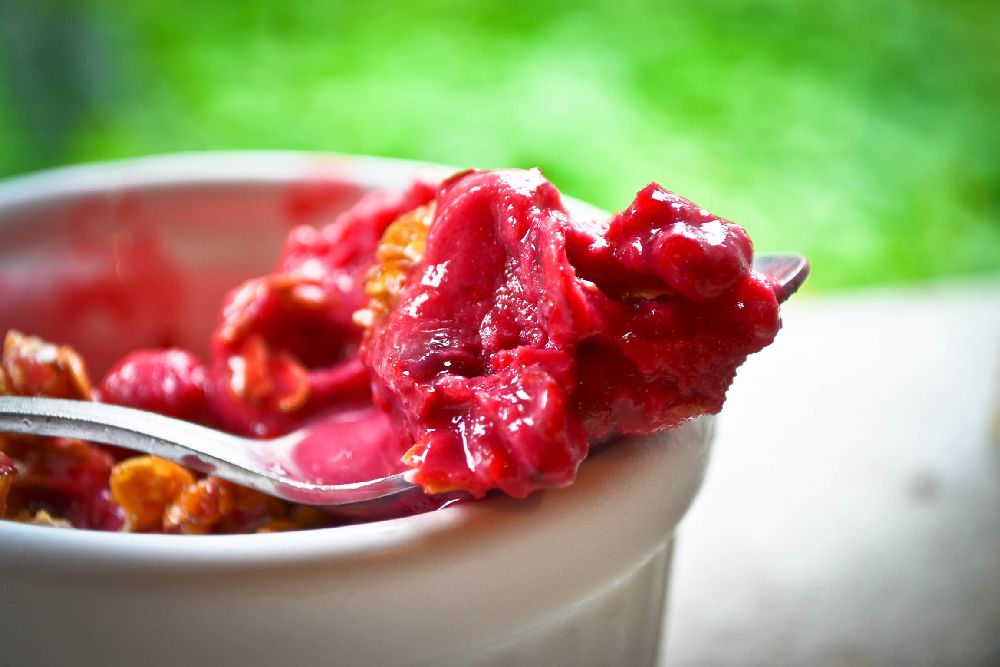
Indulgence is attracting particularly strong interest from French frozen food companies. For example, by combining the indulgence food categories of confectionery and ice cream with biscuits, Kraft Foods France SA created a new frozen food product format in March 2012, dubbed the “ice cream snack pot”.
The single-serve, 100ml pots contain popular biscuit or chocolate brands, for small indulgences. In launching these, Kraft continues its trend towards combining different food types. One offering even includes its Philadelphia soft cheese with ice cream, which has received mixed initial reviews. In terms of frozen meal solutions, and ready meals in particular, the French consumer generally knows what to expect from frozen processed food: less excitement but familiar reliability. The market still relies heavily on traditional French produce and cooking solutions. While this segment certainly holds opportunity, younger generations may appreciate more ethnically diverse frozen product ranges, especially with a more exotic or luxury positioning.
Pre-eminent French frozen food players
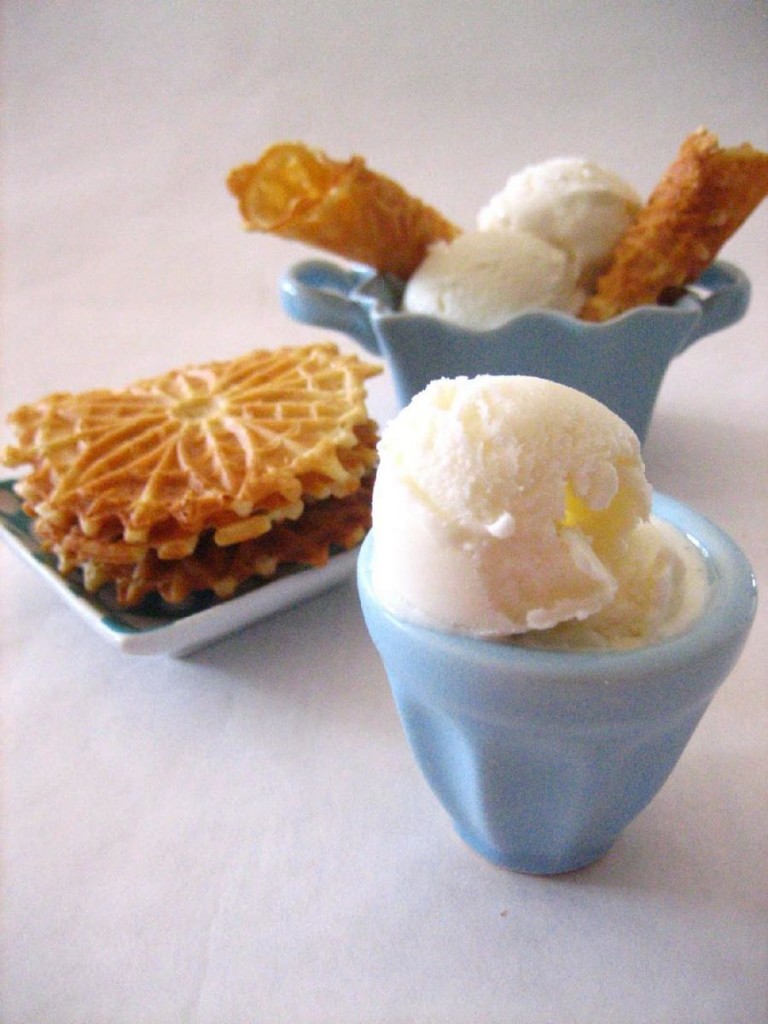 With a large variety of products available, the French frozen processed food category remains highly fragmented in 2012. Overall, the leading company is Findus Sverige AB, but three out of four of the country’s leading frozen food manufacturers have increased their retail value share from 2007 to 2012.
Findus Sverige AB (locally Findus France SA) has increased its retail value share of French frozen processed food by 0.2 percentage points from 2007 to control around 7% of category retail value in 2012. However, the company’s share has remained largely flat since 2010, allowing close branded rivals Groupe Limagrain and McCain Foods Ltd (locally McCain Alimentaire Sarl) to close the gap over the last two years. Groupe Limagrain has grown its category retail value share from 5% in 2010 to 5.3% in 2012 according to Euromonitor International’s latest estimates, while McCain has gained 0.4 share points over this period to claim 5.2% of category retail value in 2012.
Adding perceived value and being actively responsive to consumers has been integral to meaningful retail value share growth in French frozen processed food between 2010 and 2012. For example, since the start of 2011, McCain has been using only sunflower oil in the production of its frozen processed potatoes. This marked the culmination of a process started in 2006 where the company reduced the amount of palm oil used in the production of its products to 50%, replacing it with sunflower oil.
Palm oil’s reputation in France as being harmful to both personal health and the environment has been repeatedly highlighted in French media, especially on television. Such television programs have also worked to help consumers identify which specific commonly purchased food items contained it. As French consumers increasingly study product labels, they are becoming more fully aware of a product’s ingredients. As such, it is no surprise that McCain took the bold step to remove palm oil from its products.
“Posh” frozen food
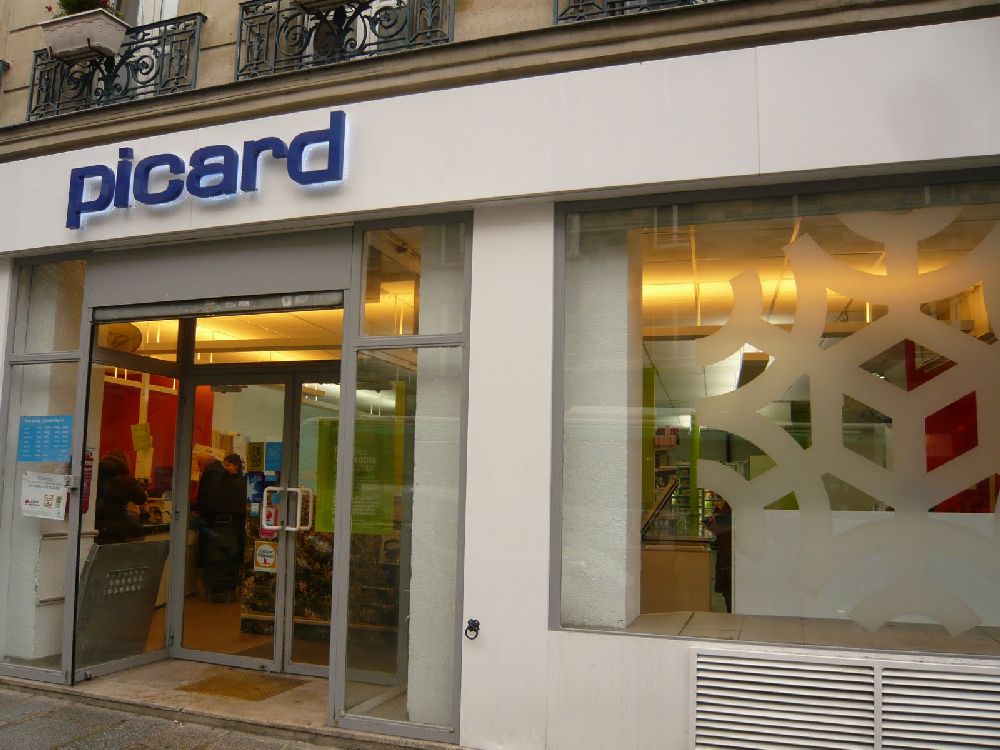
In French frozen processed food, not all products have grown equally well. Since 2007, particularly attractive areas have included frozen desserts and frozen processed red meat, both of which have grown between 2 and 3% in compound annual terms (CAGR). From a very small initial value size, another interesting emerging category is frozen soup, pioneered by French frozen food specialist Picard, with just over a 2% constant retail value CAGR since 2007. Picard has been in operation since 1906 as a frozen food home delivery supplier, although it is not one of the leading manufacturers in 2012. With both a home delivery network and also 730 local stores, the company aims to change consumer perceptions of French frozen food, providing “quick-grab” gastronomy as well as regular frozen processed food, aimed at busy French consumers eating traditional meals.
The company stocks a wide range of frozen food items, often focusing on traditional French fare. Picard is also not afraid to move into new areas with a traditionally limited local market presence, such as frozen soup. Regardless, its focus on quality, convenience and innovation has led the company to claim 6.5% of French frozen processed food retail values in 2012, up nearly 2 percentage points from 2007.
Private label remains competitive threat
 French manufacturers of standard and premium frozen food, including McCain and Picard, continue to focus on innovation and marketing to maintain their competitive positions. At the other end of the price spectrum, economy frozen food offerings still compete in terms of affordability above all else.
Strategies focused on competitive prices, such as those developed by leading French grocery retailers including Leclerc for their various private label ranges, remain fairly successful. French consumers are becoming less inclined to pay more for expensive products when they have the opportunity to purchase unbranded products with a more acceptable price to quality ratio. As such, private label continues to account for more than 40% of French frozen processed food retail values in 2012. This represents a significant problem for branded frozen food in France. Moreover, little is being done to confront the issue. For example, none of France’s leading branded frozen foods manufacturers have capitalized on the potential of frozen ready meals. Frozen ready meals is an area ripe and ready for investment and innovation, but private label – led by Leclerc, Carrefour and Intermarché – still holds more than half of category retail value sales. Additionally, branded players must act quickly before chilled processed food manufacturers – branded and private label alike – run away with the remaining market share in niches such as on-the-go lunches or children’s ready meals. Reformulated recipes, potentially with the backing of high-profile celebrity chefs, could have a positive impact.
Retail distribution
France’s specific retail distribution dynamics, and particularly its robust internet and home delivery channels, represent a hugely progressive step in future marketing for frozen processed food. Hypermarkets and internet sales represent the most widespread modes of frozen food distribution in France. As highlighted above, innovative online and home delivery companies such as Picard have introduced new flavors and product ranges to tempt consumers’ taste buds. Although the larger German frozen processed market is the most balanced, covering a wider variety of retail channel outlets, the French market is more technological in nature, insofar as internet retailing is concerned, making it better prepared for younger consumers. While the French market is the most technologically progressive in Western Europe, too many moves in this direction could make the market less acceptable for impulsive consumer purchases, such as on the way home from work or when catering for an impromptu social gathering. That said, such potential pitfalls remain surmountable given that specialist frozen food shops are widely scattered throughout France, giving products a physical sales presence. With its telephone sales network, comprehensive access is also provided to French consumers without internet availability in purchasing frozen processed goods.
For example, Toupargel is a nationwide frozen food distributor focusing on rural customers with families and senior consumers through its telephone and online sales distribution networks. Operating from 4 main production bases, the company proactively builds relationships with consumers and offers more than 1,000 products. Toupargel’s branded and own-label products include appetizers and desserts, delivered within 72 hours from placing an order.
Future development in frozen processed food
 Moving forward, frozen processed potatoes are predicted to be the largest category in French frozen processed food by retail value, reaching €666 million in 2017. Similarly, in retail volume terms, processed potatoes should be the largest of all frozen food categories by 2017, at 361,000 tonnes. In terms of growth, frozen desserts and frozen processed potatoes are forecast to increase fastest between 2012 and 2017, at around 2% CAGR by retail value, and at 3 and 2% respectively by retail volume. Frozen processed red meat should also gain volume sales, mostly from private label manufacture, with just over 2% CAGR retail volume growth over the same period. Conversely, under current Euromonitor projections, the biggest losers in French frozen food should be ready meals and processed vegetables, each of which are expected to drop by between 3 and 4% in retail value terms through to 2017.
Irrespective of category, with increased consumer interest in on-the-go and convenience eating due to increased time-pressures, frozen processed food in France needs an innovation boost to recover market share from chilled processed food. On the bright side, however, frozen food should retain its popularity over dried and canned/preserved formats. Regardless of wider market forces, frozen food manufacturers that focus on developing products based on perceived freshness, quality and convenience at a fair price stand to do well.