

The ice cream sector continues to dominate the French frozen foods market.
Estimates of the size of the French frozen food market vary, depending on which products are included. Total consumption (including foodservice as well as retail channels) amounted to an estimated EUR9.1bn in 2013, of which the retail sector was worth approximately 60%. Volume sales of frozen foods in France were worth in excess of 2 million tonnes in 2013, or nearly 32 kg per capita. However, the category declined by more than 2% in volume terms during the last year, reflecting its mature state.
Large retail outlets such as supermarkets and hypermarkets account for over half (55%) of sales of frozen foods in France, with the remainder made up by discount retailers, freezer centers and home delivery outlets.
Ice cream represents the largest sector, with a share of 31%. Frozen meat and fish and seafood account for additional shares of 20% and 12% respectively, whilst at the other end of the scale, frozen potato products and frozen pizza both account for less than 10% of overall sales.
 Ice Cream
Like most of its Western European neighbors, France has a highly seasonal market for ice cream, with the summer months between June and September accounting for almost two-thirds (65%) of overall consumption. In 2013, total consumption of ice cream in France amounted to an estimated 350 million liters, having increased by around 2% from the previous year. French per capita consumption of ice cream in 2013 was 5.3 liters, which ranks below other European countries such as the UK (5.6 liters), Germany (7.5 liters) and the Netherlands (8.9 liters). Ice cream is regularly purchased by up to 85% of French households.
In volume terms, the retail or take-home market accounted for around 73% of total ice cream sales within the last year. The retail sector is also the more dynamic of the two, with volume sales through these channels having risen by just over 2% (compared with a 4% decline within the French foodservice industry). In 2013, the retail ice cream market was worth an estimated EUR1.18bn, with sales via supermarkets and hypermarkets accounting for three-quarters of this figure. Although retail sales have started to rise again, the market has been adversely affected by factors such as the weak state of the economy and cooler summer weather.
Ice cream sold in single-serve pots have steadily increased in popularity with consumers over the last few years. This reflects the growing demand for products which offer portion control, as well as the entrance of several leading brands into this sector. In 2013, the single-serve pots sector accounted for 16% of retail sales of ice cream, equivalent to a market worth EUR190m. The retail market’s largest sector is tubs, sales of which amounted to EUR250m within the last year. This represents a 21% share by value, although tubs account for around a third of the retail ice cream market in volume terms.
Frozen Meat
Although the popularity of certain types of meat have experienced a decline in recent years, French sales of fresh meat remain sizeable. However, household penetration levels have undergone a slight fall within the last year, amidst concerns over the safety and healthiness of red meat in particular.
In 2013, the French market for frozen meat products was worth an estimated EUR750m, having increased by just over 1% compared with the previous year. One of the better performing sectors has been frozen minced beef, sales of which increased by nearly 9% during 2013 to EUR350m, or almost 47% of the total category. Another strong performer has been the French market for frozen coated meat and poultry, which is now thought to be approaching EUR50m. This sector has benefited from the convenience offered by products such as chicken nuggets and cordon bleu portions.
Frozen Fish
Although fish and seafood represents one of the largest sectors within the French market for frozen foods, it continues to lag behind its canned and fresh/chilled equivalent. In 2013, household penetration of frozen fish and seafood products stood at 87%, a figure which compares with 95% for canned and 96% for fresh/chilled. Furthermore, sales of many types of frozen fish and seafood have experienced a downturn in popularity within the last year, for reasons such as the fall in consumer spending.
In 2013, value sales of frozen fish and seafood were worth an estimated EUR475m, having fallen by around 3% from the previous year. Volume sales were worth around 65,000 tonnes, or nearly 1 kg per capita. With sales worth EUR235m, natural fish products accounted for almost half of the total category, although the sector has demonstrated very little growth of late. In contrast, the French market for frozen breaded fish and seafood rose by 3% in 2013, and is now worth an estimated EUR155m. Fish portions and fish fingers account for a combined 72% of the market for frozen breaded products.
 Frozen Ready Meals
The frozen sector accounts for a relatively small percentage of the French market for ready meals compared with Western Europe’s more northerly countries. In 2013, the frozen sector was valued at EUR455m, having decreased by almost 4% within the last year. Volume sales declined by more than 14% to 55,000 tonnes, or less than 1 kg per capita. The frozen sector accounts for just under a quarter (24%) of the French market for ready meals in value terms, trailing both ambient/canned (43%) and chilled (33%). In volume terms, the share taken by frozen ready meals drops to less than 18%.
Much of the decline which has taken place in the frozen market during the last year can be attributed to falling sales of two-person tray meals. This sector experienced a decrease in market value of nearly a third during 2013, whilst the popularity of frozen family tray meals also appears to be waning sharply. Meat-based products account for a leading 60% of sales within the frozen sector – this contrasts with the chilled ready meals market, where recipes based around seafood and/or pasta have a more significant influence.
Frozen Pizza
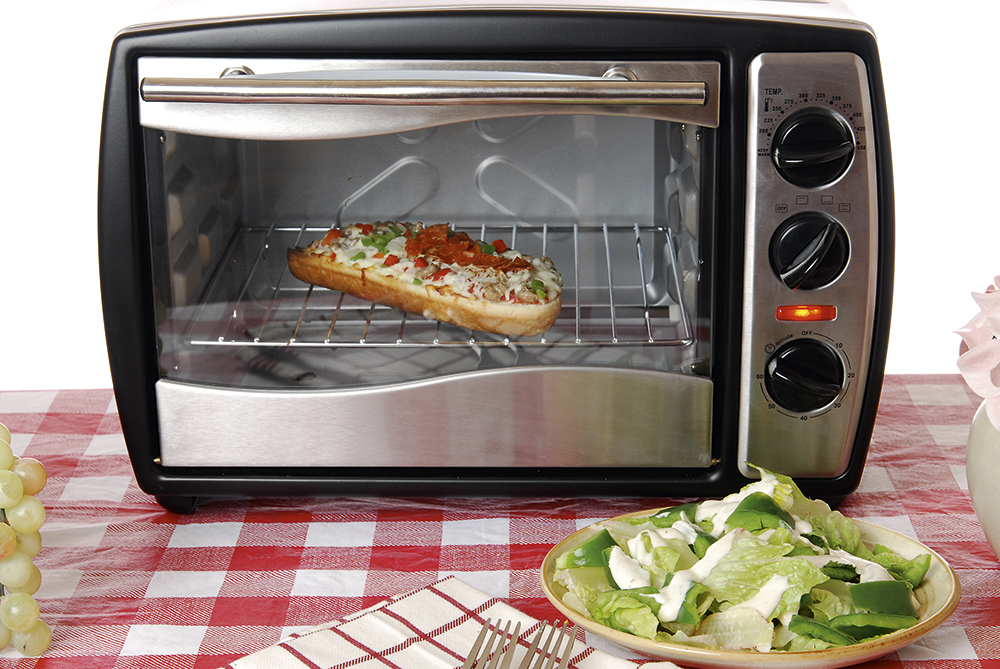
In 2013, the French market for frozen pizza was worth EUR285m, having increased by 4.5% from the previous year. Volume sales amounted to an estimated 49,000 tonnes. The chilled pizza sector is marginally larger than its frozen counterpart – in 2013, frozen products accounted for 49.6% of total retail sales of pizza in France. Retail prices remain slightly higher in the chilled sector, where quality levels are usually perceived to be higher.
Cheese pizzas remain the preferred topping amongst French consumers, as can be seen from Figure 1. These accounted for 40% of the frozen pizza sector in 2013, ahead of ‘royale’ pizzas, which combine ham and mushroom as a topping.
By format, the frozen pizza sector is largely dominated by stone-baked and standard-base products. Thin-crust products have also been gaining in popularity amongst French consumers, as evidenced by the recent success of the Dr Oetker brand.
Frozen Vegetables
France has a sizeable market for frozen vegetables, with household penetration standing at nearly 85%. Retail sales were worth approximately 175,000 tonnes in volume terms, with value sales worth an estimated EUR388m. Single-variety vegetables such as green beans dominate the sector, accounting for almost two-thirds (65%) of consumption, ahead of mixed variety vegetables (27%). Frozen products account for a third of total consumption of fresh produce in France, ahead of canned (11%) but way behind the fresh sector (57%).
Frozen Potato Products
The French retail market for frozen potato products was worth an estimated EUR325m in 2013, having experienced a modest increase compared with the previous year. Volume sales during this time were worth 188,000 tonnes, or 2.7 kg per capita. Some of the more popular varieties with French consumers include chips (oven and frying), as well as noisettes, croquettes and wedges. In recent years, there has been a trend towards microwaveable potato products, reflecting the growing consumer desire for added convenience.
 Leading Suppliers
One of the largest suppliers to the overall market is Nestlé. The company is one of France’s the second largest supplier of take-home ice cream, accounting for 19% of the sector. Additionally, it is the leading branded player in the children’s ice cream market, accounting for almost a quarter (24%) of sales. Nestlé’s Extreme brand accounts for a leading 53% share of the French market for ice cream cones, whilst the company also owns the premium Mövenpick brand, which is also available in other Western European countries such as Switzerland, the UK, Germany and Finland. Nestlé also competes within the French market for frozen pizza via its Buitoni brand. This is the market’s largest brand, accounting for around a third of value sales.
Unilever leads the French market for take-home ice cream, with a value share in the region of 30%. The company’s leading brands are Magnum and Carte d’Or, which account for 15% and 11% of retail ice cream sales respectively. Other leading ice cream brands from Unilever include Miko, Cornetto, Ben & Jerry’s and Viennetta. In recent years, the company has increased the amount of sustainably-sourced cocoa used in the manufacture of brands such as Magnum, in partnership with the Rainforest Alliance.
One of France’s largest suppliers of frozen meat products is the Doux Group, which specialises in the poultry sector. The company came out of administration at the end of 2013, having restructured its business – for example, its Brazilian operations were sold off to JBS. At present, Doux operates poultry manufacturing sites in France and Germany, and exports its products to 130 countries spread across five continents. Many of its leading lines appear under the Pere Dodu range, especially for breaded poultry products such as chicken bites, nuggets, goujons, kievs and cordon bleu portions.
 Another French-based poultry meat producer is LDC Group, which occupies a leading position within the European market. The company operates manufacturing sites in Spain and Poland, in addition to France, and its business includes poultry-based products and delicatessen meats, examples of which include sausages, breaded poultry portions and cooked meats. The company’s key brands include Le Gaulois and Loue, as well as Traditions d’Asie and Regalette. The Le Gaulois brand accounts for an estimated 23% of the French market for chilled breaded poultry products, where it lies in second position.
Elsewhere, McCain is the leading supplier of branded frozen potato products in France, accounting for 38% of the category. In second position with a 16% share is Findus, a brand which also competes in other sectors such as frozen vegetables, frozen fish portions, fish fingers and ready meals. The Findus range of frozen value-added fish products includes the Croustibat brand, which is especially strong within the breaded lines sector.