

The huge and continued expansion of the snack foods market continues to present opportunities for frozen food producers.
The European market for snacks continues to expand, driven by ongoing consumer demand for foods which can be eaten on-the-go. With more people inclined to skip meals, the type of snacks typically eaten has undergone a significant change during the last couple of decades – no longer is the snack foods category confined to traditional products such as savory snacks and confectionery.
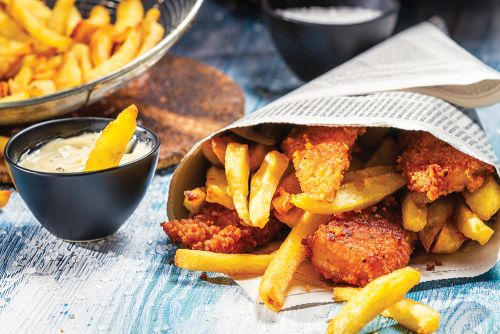 This has opened up a host of new opportunities for manufacturers of frozen foods. Products such as coated poultry meat, coated vegetables, potato products and certain types of bread are finding increasing favor as snacks for time-pressed consumers. Demand has also been fuelled by the growth of the in-home social dining market, whereby consumers are entertaining at home (instead of going out) and turning to snack-type frozen foods which can be served at buffets. Within the foodservice industry, a similar situation exists in that demand is still relatively high for appetizers which can shared, a trend evidenced by the enduring popularity of dishes such as nachos.
An indication of the most popular hot-eating appetizers and snacks currently in vogue with UK consumers can also be gleaned from information provided by the summer 2014 edition of Menurama from research body Horizons. According to this database, soup was the most popular starter in UK restaurant menus in 2014, a position unchanged from four years earlier in 2010.
However, the same period has witnessed increasing demand for varieties such as chicken wings (a dish which now lies in second place), garlic bread and squid calamari – as such, opportunities are thought to exist for manufacturers of these products, all of which can be purchased in frozen format at the retail level. During the period between 2010 and 2014, appetizers such as bruschetta, breaded mushrooms and potato wedges and skins appear to have experienced a slight decline in popularity.
To read the entire article, please click here