
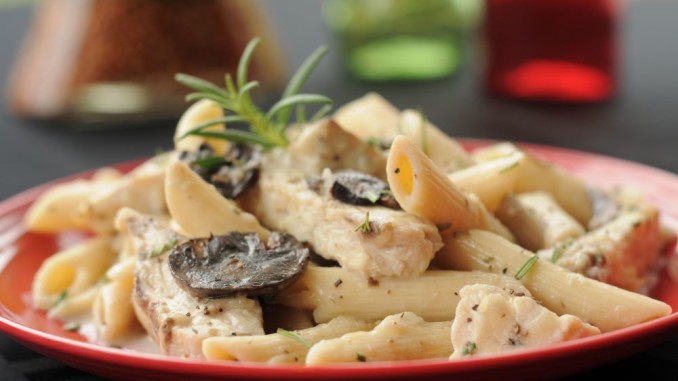
Production and consumption of pasta in Western Europe is still led by the Italians.
Pasta continues to represent one of the staples of the global food industry. Annual world production of pasta currently amounts to 12.8 million tonnes, a figure which has risen from approximately 11.4 million tonnes in 2007. World pasta production is dominated by the EU countries and the Americas, which together account for up to 80% of global output.
As might be expected, Italy is the world’s leading pasta producer, with an output worth 3.2 million tonnes in volume terms. This equates to a quarter of global output, while pasta production represents nearly 6% of total output by the Italian food industry. Dried pasta accounts for more than 95% of domestic pasta production in Italy, whilst the country exports over 1.7 million tonnes of pasta per annum.
With annual output worth approximately 2.5 million tonnes, the US is the world’s second largest producer of pasta. Other leading countries include Brazil (1.3 million tonnes) and Russia (approximately 1 million tonnes) – together, the top four countries account for 63% of world production of pasta. Some of the world’s other leading suppliers of pasta include Turkey, Venezuela, Egypt and Germany.
At 26 kg, per capita consumption of pasta is highest in Italy, which represents the world leader. Within Western Europe, per capita consumption of pasta drops to 8.3 kg in France, around 7.5 kg in Germany and around 5 kg in Spain. At less than 2 kg, per capita consumption of pasta is especially low in the UK, despite the enduring popularity of Italian cuisine.
Sales of frozen pasta remain extremely modest across most of Western Europe. However, many of the countries under review have fairly sizeable markets for frozen pasta-based ready meals such as lasagne. In the UK, for example, Italian dishes account for up to 20% of the frozen ready meals market, whilst Spanish sales of chilled pasta-based dishes are worth over EUR150m per annum.
Dried Pasta
In 2011, the Western European market for dried pasta (including the UK, France, Germany, Italy, Spain and Ireland) were worth over EUR2.92bn. The market has experienced a slight decline in recent years, although pasta remains a staple for the majority of consumers across the region – for example, 77% of UK households regularly buy into the category. In some instances, market growth has been hampered by the growing incidence of wheat intolerance across Western Europe, which manufacturers have sought to address by launching ‘free-from’ products.
Italy has the region’s largest market, with value sales worth an estimated EUR1.1bn in 2011. This equates to 38% of the regional total, ahead of Germany (24%) and France (18%). In most instances, standard durum wheat products account for the majority of sales, while consumer interest in healthier versions of pasta continues to grow. This has been reflected in the growth of sectors such as whole-wheat and organic pasta, as well as the ‘free from’ products mentioned previously.
Chilled Pasta
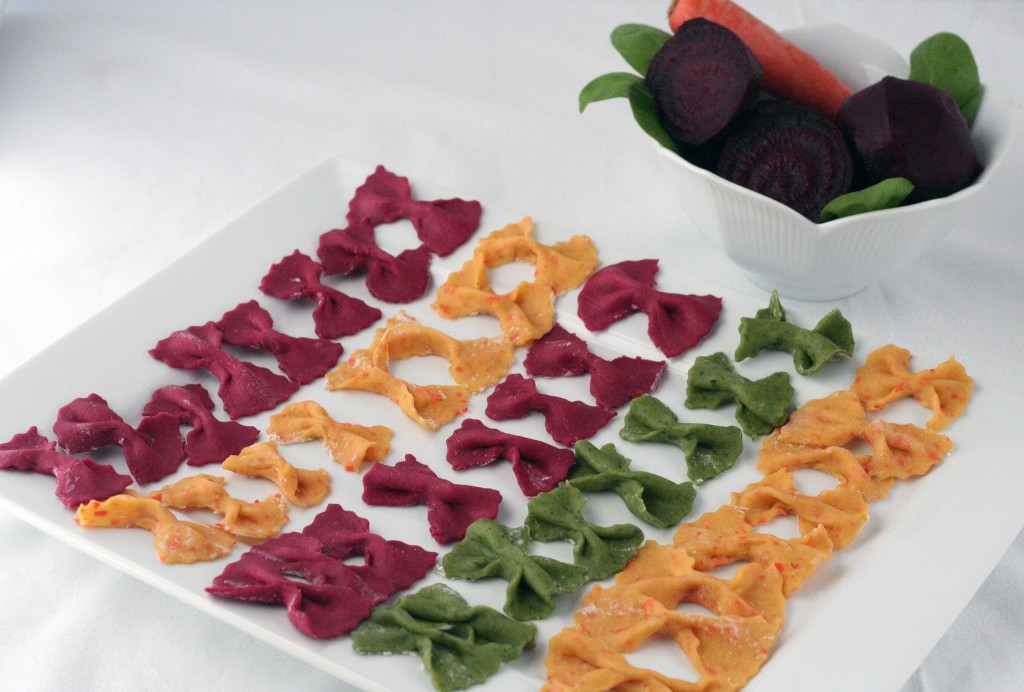
The Western European market for chilled/fresh pasta amounted to more than EUR1.5bn in 2011. Demand remains fairly high across most of Western Europe, with sales aided by the fact that chilled pasta-based products continue to represent healthy lunchtime meals or snacks. With sales worth an estimated EUR600m, Italy has the region’s largest market for chilled pasta by some distance, accounting for 40% of the regional total.
Germany and France each account for an additional 20% of sales of fresh/chilled pasta in Western Europe, compared with 15% for the UK. At the other end of the scale, the Irish market was worth just EUR20m in 2011, equivalent to 1% of the regional total.
In most instances, the market can be sub-divided into products such as filled and plain pasta and Gnocchi. In France, for example, filled products accounted for almost 56% of value sales in 2011, compared with 25% for plain pasta products. The share of the market taken by filled pasta rises to nearly 60% in Italy, where Gnocchi accounts for approximately 20% of sales by volume.
Pasta Sauces
The Italian/pasta sauces sector represents one of the largest within the European market for cooking sauces. In recent years, it has benefited from the enduring popularity of Italian dishes with large sections of the Western European population, as well as the increasing inclination of many people to cook meals at home (rather than eating out) and new product activity by the major suppliers, which has led to the emergence of a greater range of flavors and recipes, as well as healthier versions such as organic sauces. However, competition remains strong from other cooking sauces, notably ethnic (e.g. Oriental and Indian) varieties.
With sales worth an estimated GBP365m in 2011, pasta sauces account for over half of the UK market for ambient cooking sauces. The UK market is dominated by products geared towards Italian dishes such as lasagnas and Bolognese, whilst more chilled versions have appeared in recent years. Other large pasta sauces markets within the region include France and Italy, with sales worth EUR290m and EUR135m respectively. In many countries, pasta sauces are also facing growing competition from pesto sauces, sales of which have been aided by the popularity of Mediterranean cuisine.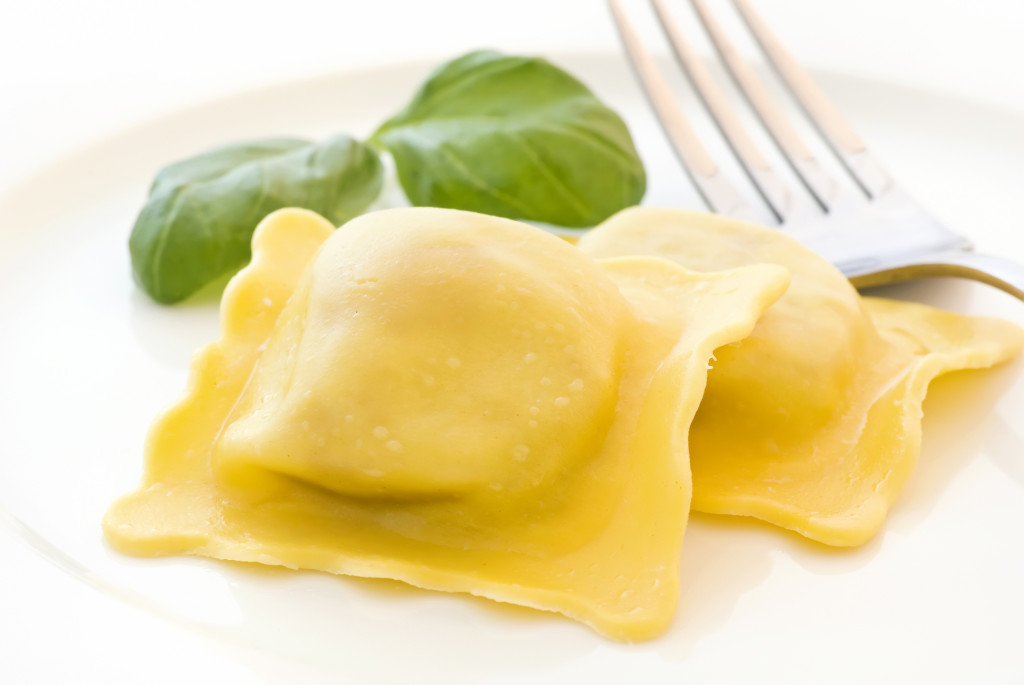
Major Suppliers
From a supply perspective, own-label sales remain highly significant within the European market for dried pasta. The popularity of own-label products is believed to have increased over the last few years, as the adverse economic situation has increased the appeal of cheaper groceries for many consumers. The share of the dried pasta market taken by own brands ranges from around 70% in the UK to more than 45% in Spain, 40% in Germany and almost a third in France. Many of Europe’s leading pasta companies manufacture for own-label customers.
One of Europe’s largest suppliers of branded pasta is the Italian company Barilla, which accounts for 40% of sales of dried durum wheat pasta in its domestic market. In 2011, the company’s sales amounted to more than EUR3.91bn, whilst net profit reached EUR76m. Besides Italy, the company competes in other major Western European markets such as France and Germany, whilst it has also become the leading supplier of dried pasta in the US within the last few years, with a share in the region of 25%. Barilla also accounts for a leading 38% of the Italian market for pasta sauces.
Another European supplier of dried pasta which exports to other parts of the world is Pastas Gallo of Spain, which is present in overseas markets such as the US and Australia. The company accounts for just over 40% of the Spanish dried pasta market, and has a product range which also includes chilled pasta and pasta sauces. In the autumn of 2011, Gallo invested EUR25m into one of its major Spanish facilities to double production capacity, whilst its annual revenues are currently worth EUR215m. A recent addition to its range was Fiber Up!, a dried pasta made with oat fiber.
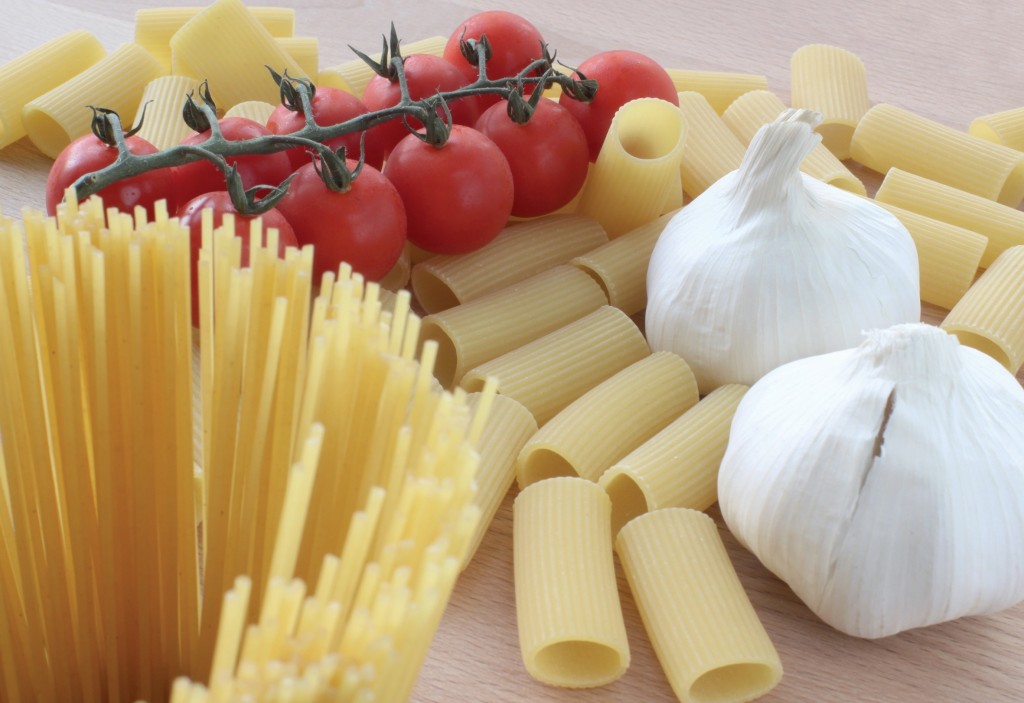 Nestlé is also present in the dried and chilled pasta sectors, via the Buitoni brand. This includes varieties such as linguine, ravioli, fettuccine and tortellini, whilst the Buitoni brand is particularly strong in European markets such as Germany, Italy, Switzerland and the UK. The brand also competes in the pasta sauces market, as well as in sectors such as frozen pizza and pasta-based ready meals.
Other notable brands within the European dried pasta market include Roma, which accounts for a leading 36% of sales in Ireland and also competes in the pasta sauces sector, as well as Panzani, which is present in countries such as France, Belgium, the UK, Hungary and the Czech Republic. Since 2005, the Panzani brand has been owned by Ebro Foods of Spain, which also owns New World Pasta, the leading supplier of branded dried pasta in North America. Panzani currently leads the French market for dried pasta, with a 36% share, rising to over 40% within the pasta sauces category.
Besides the companies already mentioned, some of Europe’s leading suppliers of chilled/fresh pasta include Lustucru of France (which is owned by Pastacorp and leads the French chilled pasta market with a 34% volume share) and Pastificio Rana, which accounts for over 40% of the large Italian market and opened its first US-based production facility during the spring of 2011. One of the UK’s leading suppliers of chilled pasta is Pasta Reale & Joubere, whose range includes varieties such as Gnocchi and Lasagne, as well as fresh pasta sauces.
One of the leading brands of pasta sauces in the UK and Ireland is Dolmio, which is owned by Mars. The brand accounts for 35% of the UK market for Italian wet cooking sauces, rising to almost 70% of the Irish past sauces sector. The Dolmio range of pasta sauces includes varieties such as Lasagne and Bolognese, the latter of which is marketed on a ‘natural’ platform since it contains no artificial additives or ingredients. The Dolmio range has recently been extended with PastaVita, new ambient pasta-based meals including varieties such as Fusilli Bolognese, Sweet Pepper and Tomato & Chilli.