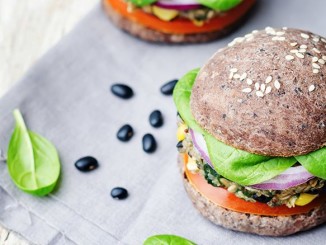
The worldwide market for quick service and fastfood restaurants chains is expected to continue its growth in the next four years. With over 200,000 restaurants and revenue of more than USD200bn, the United States will maintain its leading market share.
Dan Orehov
The rising demand for nutritious on-the-go breakfast is one of the key factors which will motivate growth of this market segment, together with packaging and interior design innovation, coupled with new menu items and healthy ingredients, as per consumer demand. Added to this, the convenience factor continues to drive growth, on the basis of an average USD6 per menu.
Short Term Market Trends
The quick service restaurants (QSR) market is envisaged to witness steady growth and will post a CAGR of more than 4%, in the next four years, according to a recent study by Technavio. Growing innovation and customization in food menu is one of the key factors driving the growth of this market in the coming years, with the new generation of customers at QSRs constantly looking out for new flavors, combination fast food infused with bold flavors, and premium alternatives. Moreover, the demand for innovative and exotic flavored fast food is more prominent among the millennials, who are seeking out ways to customize their food based on their daily calorie intake.
“The primary reason for food customization is the growing importance of diet, whether it is a medical condition, food allergy, or a weight reduction plan. Consumers have the option to choose from a variety of freshly baked bread to the addition of their preferred type of cheese, meats, and spreads. With an increasing number of consumers customizing their meals to suit their needs irrespective of the time of day or what is on the menu, this market is anticipated to have a positive outlook until the end of 2020,” according to Technavio.
The analysts have also estimated factors such as the rising demand for nutritious, on-the-go breakfast to impel the growth prospects of this market over the next four years. “Most QSRs are looking to add a nutritional boost to their on-the-go breakfast menu and are therefore coming up with innovative and nutritious breakfast food with whey protein as the main ingredient, which is an ideal source of energy to start the day and one of the most popular superfoods among consumers. For example, McDonald’s offers Fruit and Maple Oatmeal consisting of 100% natural whole-grain oats with cream, fruits, and raisins on its breakfast menu,” explains the company. During 2015, the eat-in service segment dominated the market and accounted for more than 53% of the market share in terms of revenue. Factors such as the rising global adult population aged between 25 and 49 years is driving the growth of this market segment. Moreover, due to changing lifestyles and busy working schedules, most consumers prefer to dine out for the sake of convenience and to maintain a healthy work-life balance which is spurring this segment’s growth.
A Competitive Market
The global QSR market is dynamic in nature as it is subject to rapidly changing consumer preferences and demands. The QSR market is highly fragmented owing to the presence of several small and large players. Vendors in the market compete on the basis of pricing strategy, product and packaging innovation, service, quality of food, and menu variation. Therefore, to survive and succeed in a stiff competitive environment, it becomes imperative for vendors to distinguish their product and service offerings through a clear and unique value proposition. In terms of geography, North America led the global QSR market and is expected to reach more than USD281bn by 2020. To meet the growing demand for food customization, most QSRs are using bowls for a wide assortment of entrées. Bowls give a unique presentation and fit customers’ needs at breakfast, lunch, or supper. They also offer consumers the choice of eating the meal either one food ingredient at a time or combining all the ingredients together. Also, the rising obesity rates and nutrition labeling requirements in North America will propel the growth prospects of this market in the future.
The US Facts
Globally, fast food generates revenue of over USD570bn – that is bigger than the economic value of most countries, according to franchise experts. In the United States revenue was USD200bn in 2015 – quite a lot of growth since the 1970 revenue of USD6bn. Moreover, there are over 200,000 fast food restaurants in the United States and it is estimated that 50 million Americans eat at one of them every single day. Moreover, the industry employs over 4 million people and counting – restaurant franchises added over 200,000 jobs in 2015. Consumers of fast food focus on taste, price and quality – in that order. While the food is often highly processed and prepared in an assembly line, these restaurants focus on consistency of experience, affordability, and you guessed it – speed. The Quick Service Restaurants segment accounts for more than 50% of sales in the entire restaurant sector. While Quick Service was once dominated by fast food, fast casual continues to gain market share, with menus which are also the same from location to location, and consumers enjoy a recognizable, familiar experience no matter where they are, with a dependable level of quality. Meal choices are inexpensive, with options typically $6 or less with combo meal packages combining “signature” mains with sides and a drink. Lastly, the United States fast food market continues to be dominated by hamburger fast food restaurants, accounting for over 30% of industry sales. However that market share is sliding, and Mexican food in particular has been gaining. By 2020, QSR revenue is forecasted to exceed USD223bn. The majority of this large market is comprised of on-premises restaurants and drive-thru locations, the rest consisting of off-premises dining (take out) and cafeterias and buffets. The ever-growing U.S. fast food industry has produced a number of household brand names, both domestically and globally. McDonald’s, with a brand value of over USD81bn, was by far the most valuable fast food brand in the world in 2015, surpassing its closest competitor Starbucks by a massive 50 billion. In 2014, McDonald’s was also the largest fast food company in terms of revenue, followed by sandwich chain Subway and Yum! Brands, parent of Taco Bell, KFC and Pizza Hut. Despite generating the most money, McDonald’s has received lower-than-average customer satisfaction ratings in recent years. In a 2015 survey conducted by YouGov, only 2% of respondents stated that McDonald’s had the best beef burgers when compared to other fast food burger restaurants. In that same year however, McDonald’s was rated the fast food burger restaurant with the best fries, with 29% of respondents favoring their fries over competitors such as Five Guys, In-N-Out Burger and Burger King.