Appetizers are increasingly sought-after by consumers and represent an eating and sharing occasion, when everyone can taste from a variety of options, according to their preferences. Added to this, appetizers are also preferred from a cost perspective, since the category is relatively cheaper than dining out. The professionals in the restaurant business have very well understood this aspect and have diversified their offer, so as to meet consumers’ expectations, and also to regain their lost market share.
By Xavier Pilloy, XTC World Innovation
Professionals from the out of home segment expect specific innovations from producers on this segment, and many have come up with innovating and pertinent products, despite some restraints of the appetizer category. A first constraint would be the sharing factor, since no one should feel left out, despite the abundance of new diets everybody is testing. Also, a variety of new vegan offers targeting this category has appeared within the last six months: dishes consisting of vegetarian canapés for the hors d’oeuvres, based on vegetables and different types of cheese, fondant bite-sized vegetables in the shape of a duchess, beetroot spheres, grated carrots and zucchinis etc. Taking this into account, it is easier for foodservice professionals to create appetizer recipes which are both vegan and gourmand, without any constraints.
More innovation
Other innovations make the offers of foodservice appetizers more complex, paying greater attention to the shape (bite-sized shape, “mini” shape in order to facilitate sharing) and also bringing new textures. XTC has recently spotted on this market the launch of chicken spheres with crunchy breading, of focaccias in mini shapes with vegetarian touches (spinach, goat cheese, cherry tomatoes, mustard, thyme) and also classical (sun-kissed vegetables and chicken with tomatoes, ham, cheese) or breaded “raclette” bite-sized (bite-sized cheese with crunchy breading and potatoes).
The Burger: strong expectations from restaurant owners
The burger has been slowly reinvented, beginning with the first wave of gourmet burgers in North America, and a second wave which exports this concept to Europe. Restaurant owners ask for innovations which would allow them to make burgers easily, using innovative methods, other than the simple and classical one. As such, new proposals include the vegetarian burger, which is said to be as delicious as the others, for the consumers who want to indulge themselves, while at the same time reducing the consumption of meat. However, this is not the only innovation which meets this need and some of the newly-created products in this category include: round omelets special burgers, vegetarian burgers with artichoke and cashew nuts, vegetarian burgers with mushrooms and spinach etc. The vegetarian burger recipe involves vegetables, leguminous plants and cereals and occasionally cheese, mushrooms or a mixture of spices, in order to give it flavor. At the same time, the premium burger brings stronger dynamics to the segment: restaurant professionals can find minced beef of well-known origin (Wagyu, Salers, etc), slices of duck foie gras, duck minced meat etc. Lastly, the burger bread has become more sophisticated and some varieties come with black truffles, sesame, poppy seeds, or pretzel-like sesame bread. Besides bringing new dynamism to the burgers and appetizers segment, the flexitarian movement doesn’t stop there. Breakfast is a strategical segment, where the expectations for the vegan products are high. XTC has noticed the launch of the vegan croissant, but also of vegetal margarine and quinoa spread, and of course the vegan waffles or pancakes, made without eggs or animal milk. As such, XTC expects more vegan innovations in all consumption segments, targeting the restaurant business.
New proposals for snacks
Compared with the above categories, the snack segment remains relatively quiet in terms of innovation, with very few introductions on the market. In fact, snacks remain fairly traditional, with classic examples such as pizza, salty tarts, sandwiches, for which recipes have remained unchanged. Both the snack market and that of the fast-food are saturated, making it difficult for operators to differentiate themselves from their competitors. This is where the importance of new proposals comes into play, with industry professionals seeking to bring new recipes and to diversify their portfolio. An interesting innovation spotted by XTC is the « dwich », a warm cooked course in a sandwich, which can be heated in the oven. The bread for this sandwich can be topped with several gourmand recipes: tex-mex chicken, a course with ham and comté PDO, or tomatoes, peppers and mozzarella – everything served warm with a melted topping.
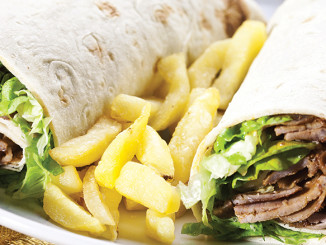
Lastly, the frozen wraps segment is developing similarly, with offers including most often a vegetarian reference. Another example revolves around two new recipes for this particular segment, one containing salty muffins (tomatoes, olives and peppers, pesto), and of course salty toasts, bringing new diversity for the restaurant owners in their snacking offer. With regards to the premium snacks, XTC expects these will maintain a similar direction for innovation, with the growing trend of plates served in a glass bowl, for example. In this regard, a producer has recently launched a system of glass bowls ready to be filled with “cartridges” of prepared courses. These have an adjustable shape for users to simply place the contents in the bowl and then heat it in the microwave oven or bain-marie.