

This summer’s football World Cup in Brazil represents a significant opportunity for manufacturers of grilled and party foods.
The World Cup is traditionally an extremely busy time for food retailers offering a home delivery service. Once slumped in front of their cinema-sized television sets, armchair fans rarely like taking their eyes of the ball by venturing into the kitchen. Such adherence to on-screen punditry and matches featuring Ivory Coast against Japan (live on ITV), boost profits at companies such as Domino’s Pizza.
Immediately following South Africa’s Word Cup, the company reported a 13.7 percent rise in like for like sales in the six months covering the period when the tournament was played.
Unlike high-value television sales, revenues generated from selling more pizzas is incremental – in other words, the home delivery food market does expand and sales generated during a World Cup provide a regular, quadrennial boost to profits
The Barbecue
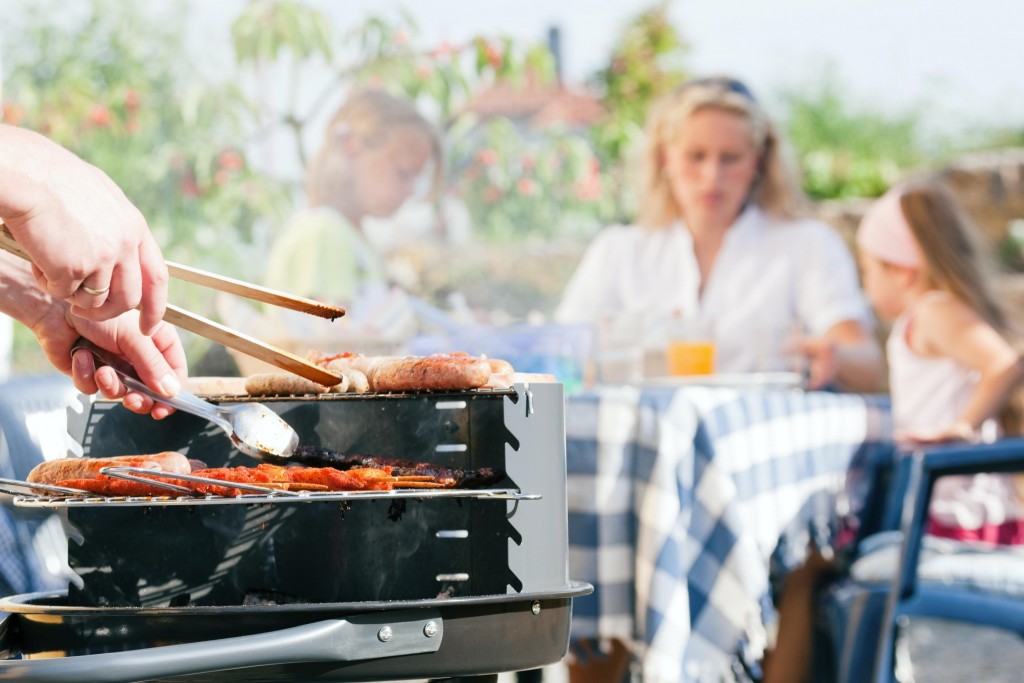 It is highly likely that this summer’s World Cup will increase the number of barbecues taking place throughout Europe, weather permitting. Barbecues and other outdoor dining occasions represent a major market for frozen foods such as burgers, sausages and fish and seafood, as well as a host of other products ranging from bakery products and sauces and dressings to alcoholic beverages. As has been stated, the summer weather has a major bearing on the European barbecue market – during 2013, for example, the UK experienced its first prolonged heatwave for seven years, while very hot temperatures were experienced further south and east during the summer.
One of Europe’s largest markets for barbecue and outdoor dining foods is the UK. The seven days spanning May 26th to June 1st 2014 marked the country’s 18th National Barbecue Week, with approximately 5 million taking place during the corresponding period the previous year. In 2013, almost 137 million barbecues took place in the UK, and holding a barbecue is now the country’s number one summer home leisure activity. Other notable UK barbecue facts from the National Barbecue Week website include the following:
Two in three UK households own a barbecue grill;
The average number of barbecues held per UK family is now in the region of nine, up from less than three in 2003;
Over half (55%) of barbecues have children present;
The average spend per barbecue has increased from less than GBP20 in 2008 to around GBP35 at present;
After work and mid-week barbecues now account for 45% of all occasions, marking a shift away from weekends.
It is estimated that total expenditure on barbecue and outdoor dining occasions in the UK is worth in the region of GBP7bn, a figure which includes alcoholic beverages. Total expenditure on food amounts to GBP1.6bn – although this figure is heavily dependent on the weather, average spend on foods per barbecue is on an upwards trend.
Outside the UK, over half (55%) of French consumers are thought to use a barbecue, a figure which compares with 50% of Germans and almost 40% of Italians. These percentages remain lower than the likes of the US (70%) and Australia (60%). As is the case with the UK, most barbecue occasions take place at home, in the company of friends and family members. Interestingly, a significant percentage of Germans who own barbecues are thought to use them to cook meat during the winter months.
One of the most important barbecue foods are sausages, which feature in more than 45% of all occasions in the UK and are one of the most popular forms of barbecued meat. Almost 90% of UK consumers buy sausages on a regular basis, and value sales rose by almost 8% to GBP760m in 2013. Volume sales are worth 185,000 tonnes, or nearly 3 kg per capita. The fresh and chilled sector accounted for 76% of market value in 2013, and it is thought that most sausages bought for barbecue occasions are bought in this format. As might be expected, Germany also has a sizeable market for sausages bought for the barbecue – at present, sales of chilled bratwurst are worth almost EUR600m. Furthermore, volume sales of sausages used for German barbecues rose by 27% in 2013.
Burgers are also a mainstay of the European market for meat-based barbecue foods. They feature in more than 40% of the UK’s barbecue occasions, although total volume sales fell by 2% to 85,000 tonnes in 2013, partly as a result of price increases and the lingering effects of the horsemeat scandal. New product activity taking place within the UK market continues to emphasise the importance to the category of barbecue occasions – for example, in April 2014, a new range of chilled premium burgers was launched by Albert Bartlett in time for the summer. The range (which was marketed as being made from Angus beef) included varieties such as Cracked Black Pepper and Hot & Spicy.
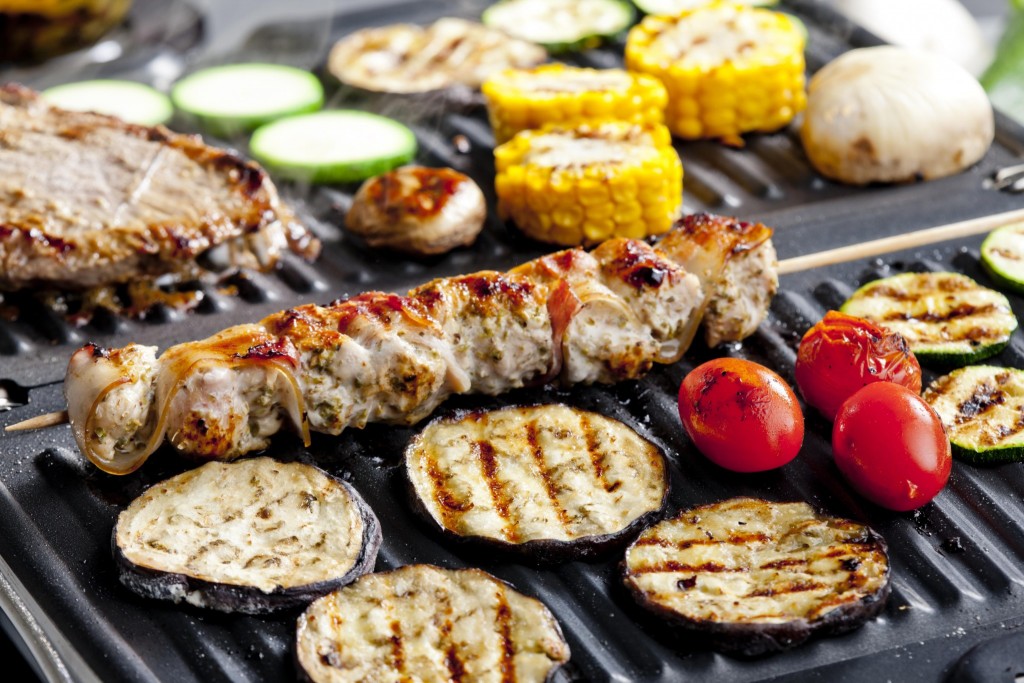
Other meats which feature in barbecue occasions in the UK and elsewhere include chicken (which is now present in almost a quarter of the UK’s barbecues) and more specialist products such as kebabs and grillsteaks. Fish products are also becoming an increasingly significant feature of the market, as consumer tastes evolve beyond simple red meat varieties.
 In-Home Social Dining
Whilst the number of Europe’s outdoor eating occasions appears to be on an upwards trend, it is worth remembering that parties and social gatherings occur the whole year round. In the past, these were traditionally concentrated around times of the year such as Christmas and New Year. Nowadays, however, more people are inclined to host social occasions in their homes all year round, rather than going out to restaurants or pubs.
This trend (which has been dubbed ‘the big night in’) became especially apparent in the wake of the economic downturn, and has created numerous opportunities for manufacturers of frozen foods. Furthermore, the trend shows no sign of abating despite the improving economic conditions – at present, the number of in-home parties and gatherings held by the UK’s adults is growing by almost 7% per year. Meanwhile, almost 45% of UK adults are planning more quiet nights in with friends and family instead of socializing outside the home.
One sector of the frozen foods market which has benefited from the trend towards staying in is ice cream. In countries such as the UK, this has offset falling sales of ice cream within the impulse sector, which have suffered in recent years following a succession of cooler summers. As a result, manufacturers have been looking to the take-home sector for growth, with many consumers trading up to luxury and/or premium ice cream in spite of the adverse economic situation.
In 2013, the UK market for luxury ice cream grew by 7.5%, and is now worth GBP165m. Much of this has been driven by brand activity from leading suppliers such as Unilever (via the Ben & Jerry’s and Carte d’Or brands) and Haagen-Dazs. The Ben & Jerry’s range has recently been extended in the UK with new Greek-Style frozen yoghurt, which appears in varieties such as Raspberry Chocolatey Chunk, Strawberry Shortcake and Vanilla Honey Caramel, whilst there is evidence that consumers elsewhere in Western Europe are also moving upmarket in their tastes. According to Unilever, consumers are also seeking out premium ice cream snacks for sharing at home – this trend was addressed in the autumn of 2013 with the launch of new Magnum mini pots and after-dinner ice creams.
Savoury frozen foods (some of which are specifically geared towards sharing occasions) are also in demand for in-home parties and social dining. One such example is frozen ethnic snacks and appetisers, leading varieties of which include spring rolls, samosas and onion bhajis. This category grew by nearly 10% within the last year, with Oriental, Indian and Mexican products dominating.
Frozen potato products such as chips and wedges are now being positioned as suitable foods for sharing with friends and family. The influence in-home social dining is having on the category can also be illustrated by the launch in 2012 of new Goodfella’s Takeaway frozen pizzas accompanied by potato wedges. As has been established, other convenience foods such as coated foods (e.g. chicken nuggets), ready meals and pizza are also popular at parties and social gatherings, although in the latter instance, competition from takeaway firms such as Domino’s remains high.