
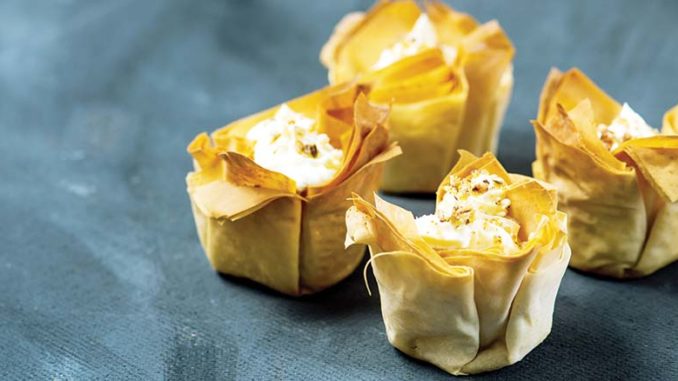
Europe, the global leader in frozen food market, is expected to be spearheaded by ready-to-eat meals, a segment in which pizza and pastries have their fair slice.
By Sonal Shekhar, consultant, Future Market Insights.
A recent research study has predicted the global frozen food market to reach around USD294bn by the end of the next year. Although the overall growth of the market has been projected to be moderate over the next few years, several growth opportunities are likely to spring up, with growing consumer inclination towards natural and organic frozen foods.
Frozen Food Boosting European Appetite
A couple of years post the Brexit decision, negotiations still continue and the economic pressure prevails. Although the uncertainty ruled this course of time, the retail sector of frozen food has been performing surprisingly well in terms of growth rate. The past year observed around 5% Y-o-Y growth over 2016, enabling revenue sales to record more than USD7bn, for the first time. Moreover, as stated by the British Frozen Food Federation, this exceptional growth is the result of innovative and appealing campaigns by stakeholders in the industry, targeting consumer perceptions. As frozen food products have been witnessing a consistently rising rate of consumption across Europe, manufacturers continue to focus more on product premiumization through innovation. The presence of a strong and organized distribution network in the retail sector accounts for a majority of frozen food sales in Europe.
Europe, the global leader in frozen food market, is expected to be spearheaded by ready-to-eat meals, which bring in around 35% of the total revenue to the region’s frozen food market. While frozen ready meals are most likely to remain the most frequently purchased item, ice cream and frozen fish also fall under the most popular frozen food items. Other frozen products, which register competent shares in terms of market value, include vegetables and fruits, desserts, processed meat and seafood, and bread and other dough products.
Germany continues to reign supreme in Europe’s frozen food market with more than 21% value share. The UK closely follows the German market with nearly 20% value share – registering the maximum per capita expenditure on frozen food. France will also remain a key market, following Germany and the UK. Rapid innovation and frequent launches of new products in the frozen category clearly highlights booming popularity of frozen foods in European market, which is being prominently driven by increasing preference for convenience among millennial, single households, as well as full time working professionals. Moreover, bolstering spending power of affluent households with children, on frozen and processed food products, will provide an additional boost to the market within the continent. Frozen baby food, a relatively new segment emerging in the frozen food market, is already expanding well in the UK and France. However, penetration in German market is foreseen to remain restricted in near future, as it is still perceived as an unfamiliar territory for companies as well as consumers. The Netherlands is also among the top performing markets in European continent.
To read the full article, please click here