

Domestic manufacturers of frozen food in Poland have already recognized that innovation plays an essential role in driving wider category use and engaging with consumers, thus they are aiming at grabbing a larger market share through increased spending on research and development. A special focus on pricing is also seen as Polish consumers are generally price-driven and marrying affordability with added features seems to be an effective strategy to adopt.
Source: Mintel
The frozen food market in Poland is fragmented, with competition between domestic players and multinationals being intense. Demand is mostly driven by convenience of use, a factor that is dynamically gaining ground, due to increasing pace of life in the country. A growing number of Poles lack the time to cook from scratch, therefore frozen meal components, such as fruit and vegetables, fish and meat, potato products and ready meals including pizza, make cooking a quicker process and also hassle-free. With brand owners looking to boost consumption further and appeal to non-users, innovation is becoming an increasingly effective tool in reaching the objective.
The analysis of new launches across the key frozen food categories in Poland introduced between January 2011 and July 2014 indicates that the most launch activity took place within dairy-based frozen products (ice cream), frozen pizzas and frozen vegetables, which accounted for 29%, 23% and 21% of all launches accordingly.
The most popular claims explored by manufacturers within the same time frame included the ‘no additives/preservatives’ claim, seen on 14% of all frozen food launches, followed by ‘microwaveable’ used by 13% of new products. ‘Time/speed’, ‘social media’ and ‘ease of use’ claims were also important, but utilised by fewer products.
 Domestic brands look to stay competitive
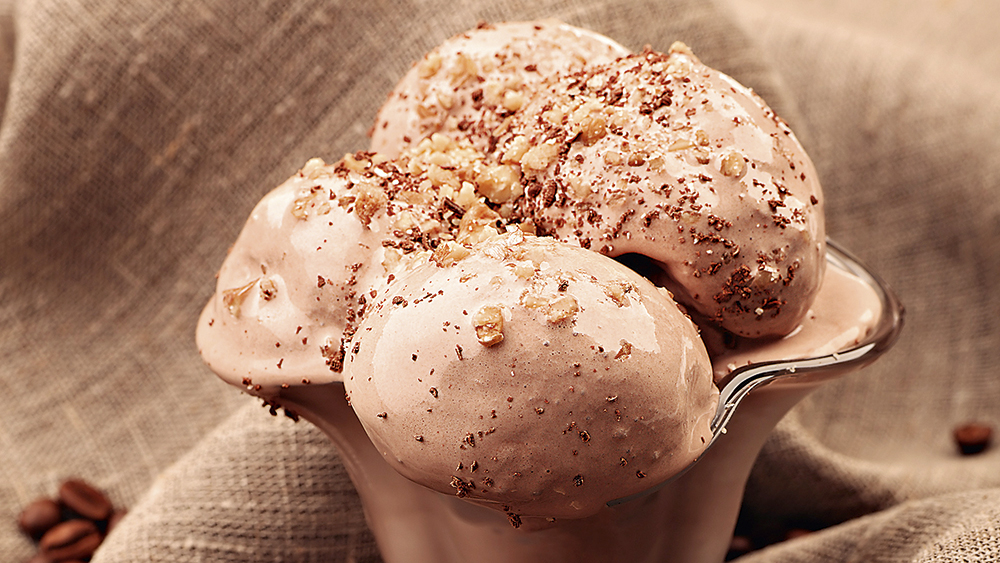
Domestic brands are actively fighting to maintain and expand market share across various frozen food categories in Poland. With strong competition from multinational players, Polish manufacturers are increasingly focused on broadening their distribution networks, exploring mass media advertising on a larger scale as well as working on research and development to gain a point of differentiation. Some inspiring examples of effective strategies developed by domestic brand owners have been spotted in the ice cream category.
Lodziarnie Firmowe is an industrious local ice cream manufacturer that has managed to build considerable brand loyalty and create an upmarket image for its Grycan brand. The company started operations in 2004 with its owner Zbigniew Grycan being previously engaged in running another well-known enterprise in the ice cream business, Zielona Budka. Lodziarnie Firmowe’s operational strategy is based upon providing consumers with high-quality products and grasping their attention with unique flavor compositions. The company specialises in take-home ice cream, however in 2011 it expanded its range with an impulse offering, Grycan Porcyjka z Lyzeczka (A Small Portion with a Spoon). The selection of flavors under the Grycan brand is very wide and covers such interesting varieties as gingerbread, poppy seed and rose. Lodziarnie Firmowe is also operating within the ice cream parlor segment, with its Grycan establishments located mostly in large shopping malls in major Polish cities. All of this translates into a coherent brand image and underpins considerable brand awareness amongst Polish consumers.
Another interesting example of a prominent Polish ice cream manufacturer is Koral, headquartered in Nowy Sacz. The company offers an extensive product portfolio that covers impulse and take-home ice cream, both dairy- and water-based. Most of the products are mid-priced; however Koral is also offering premium ranges, such as Grand Gold and Koral Luksusowy. The company is very active in terms of promotional activities and new product developments. These include new flavors, e.g. bubble gum, marzipan, nougat, panna cotta and caffè latte; as well as new brands, often targeting children as the younger demographics form an important audience for ice cream consumption. 2014 marks the 35th anniversary of Koral’s founding by the Koral brothers – Józef and Marian, which has been used as a theme for a new promotional campaign combined with a consumer contest called ‘KoraLove Pyszne 35 Lat’ (35 Delicious Years of Koral). This has also prompted Koral to launch a new brand, i.e. Bracia Koral – Lody jak Dawniej (Koral Brothers – Ice Cream Like in the Past), which is based on traditional recipes. The new artisan quality ice cream range covers such flavours as cocoa, cream, cream with dried fruits and nuts, cream with cherries, strawberry sorbet as well as lemon sorbet. The pack design is ‘retro-like’ utilising beige and brown colours and simple fonts.
Despite the unique positioning of the new brand, Koral is not the first to exploit the concept of old-fashioned style ice cream in the Polish market. For example, Jogo Lódzka Spóldzielnia Mleczarska is also offering authentic ice cream under the Bambino label. The list of ingredients contains real cream and is free from artificial or harmful additives such as commercial vegetable oils, bulking agents and thickeners. The ‘retro’ appeal has been also explored by Kilargo, the owner of the Augusto range. In 2012 the company introduced the Augusto Retro label that covers four interesting flavors inspired by traditional desserts, i.e. Pavlova, Melba, Banana Split and Eton Mess. Pack designs are also nostalgic, depicting black and white photos of people eating ice cream. However, the list of ingredients used lacks the connection with home-made style ice cream.
 The perception of frozen food
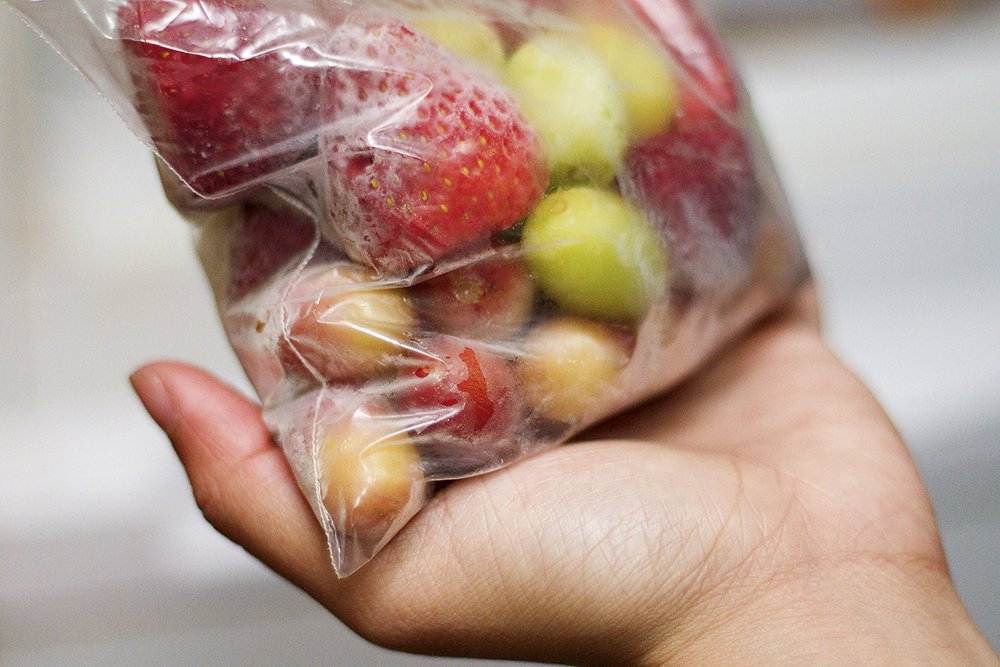
‘As good as fresh’ is important to Poles, therefore frozen food manufacturers should look to elevate the claim, particularly within frozen fruit and vegetables. The majority of Poles prefer fresh loose fruit and vegetables over frozen as nine in 10 consumers buy fresh varieties in a typical week, whereas frozen equivalents are chosen by significantly fewer buyers. Many consumers have traditionally believed that fresh produce offers more nutritional value than frozen, an attitude that is starting to change in the face of widespread promotion of frozen fruit and vegetables. Between 2006 and 2007 a nationwide campaign called Mrozonki Pelne Natury (Frozen Food Full of Nature) was run by Stowarzyszenie Mrozonej Zywnosci (Frozen Food Association). The program’s main goal was to persuade consumers that frozen fruit and vegetables do not lose quality and taste and are simply as good as fresh ones. Manufacturers are also attempting to convince consumers that freezing retains the qualities of fresh produce and that frozen food should be also associated with naturalness.
Within the frozen pizza environment, an increased attention to product quality is also seen, with brand owners looking to persuade consumers that frozen pizza is not only better than chilled but can also replicate the foodservice experience. In an attempt to achieve it, they are emphasizing the crust qualities, exploring various toppings as well as using authentic Italian positioning. This is in line with the expectations of Polish consumers as flavor topping, thin crust and authentic ingredients are shown in Mintel’s research to be the most important factors affecting purchase of pizza by 68%, 39% and 33% of consumers accordingly. Price is also important as pointed out by more than three in 10 (32%) Poles.
Affordability is key
A significant proportion of Polish consumers are price-driven, seeking value-for-money offerings and cutting down unnecessary spending. Mintel’s research shows that nearly five in 10 Poles (49%) admit to looking out for bargains more so than in the past and more than four in 10 (43%) consumers have switched some of their grocery shopping to a cheaper value retailer. Moreover, almost three in 10 (28%) Poles overtly declare that they have shifted from branded to cheaper own-label groceries.
The trend is also evidenced by the dynamic expansion of discount chains in Poland, including such labels as Biedronka and Lidl. Biedronka, operated by Jerónimo Martins, is the largest player in the format with 2,500 stores (as of August 2014) located throughout the whole country. The discount channel is offering further scope for development in Poland paired with increased attention to price. Therefore new entrants are emerging, including domestic chains such as Dyskont Czerwona Torebka and Tanioch.
 Private label aims to steal share
The essential role of price is also manifested in the strong performance of private label within most of the frozen food categories in Poland. According to PLMA (Private Label Manufacturers Association) data, the 2013 retail volume share of private label reached above 50% in a number of Polish frozen food sectors, including frozen fish, frozen fries, frozen ready meals and frozen pizza. Due to the strong competition from branded offerings, private label is more and more focused on quality. Moreover, own brands are looking to engage with consumers not only through being affordable but also innovative. Between January 2011 and July 2014 private label accounted for 24% of all launches across the major frozen food categories in Poland and the share is likely to grow further reflecting the increasing competitiveness of own brands.
Some interesting private label launches across selected frozen food categories have recently been spotted at Biedronka discount stores. These include Belcanto Premium Lody Bakaliowe (ice cream with dried fruit and nuts) with a premium positioning, offered in an elegant, simple pack and made with full fat cream; Apetito Pizza z Szynka (frozen pizza with ham) in an affordable duo-pack, with packaging design being inspired by the Italian countryside; and Maritime Krewetki Tygrysie Black Tiger (black tiger shrimps) in an eye-catching black see-through flexible pack used to demonstrate the high quality of the product.
Outlook for the future
The frozen food market is expected to expand further in Poland with innovations helping to drive wider category use. Convenience claims will continue to be of importance as busy consumers need quick and easy to prepare meal solutions. However, brand owners should still pay increased attention to product quality and aim to mimic the home-made feel due to renewed interest in cooking at home in the country. Many Polish consumers are increasingly finding cooking at home a pleasure, with TV cooking shows, culinary books and magazines as well as dedicated websites playing a vital role in spreading the passion. Many consider cooking from scratch as a path to eating healthy and others simply love cooking for their families and friends. The trend has been well spotted by the Lidl discount chain, which initiated a long-term cooking-themed advertising campaign under the name ‘Pascal kontra Okrasa’ (Pascal vs Okrasa) in 2012. Its aim is to inspire Polish consumers to cook and experiment in the kitchen through guidance from Pascal Brodnicki and Karol Okrasa, famous chefs. The chain also launched a dedicated website that provides consumers with interesting recipes, most of which are coming from Pascal Brodnicki and Karol Okrasa.
Packaging is likely to gain more attention from manufacturers as well. Bolder pack designs should be used to gain a point of differentiation and also convey a story behind a brand. Single-serve packs could also be explored as the format combines convenience of use with affordability and addresses demands of single-person households. Microwave-steam packaging could be utilized more often, for example within frozen vegetables as well as fish and meat, however with an on-going debate over the ‘healthiness’ of microwave cooking, this might prove to be of lesser importance. Nonetheless, steam-cooking is likely to gain increased appeal as steaming retains the qualities of fresh products and also helps lock in flavors.
 Health and wellness will have a growing impact on purchasing decisions in frozen food with more brands likely to exploit indicators of naturalness. The ‘no additives/preservatives’ claim is here to stay with ‘all natural’ and organic labels opening new opportunities for growth as well. However, brand owners need to continue to educate consumers on healthy diets and proper nutrition to make them fully embrace the healthy positioning and to reduce the risk of being niche. For example, at the end of 2009 Chlodnia Olsztyn introduced Bolero Organic, an organic frozen food range encompassing fruit and vegetables, ice cream and dumplings. However, it seems that the launch was too early or consumers’ awareness was insufficient to deliver a strong sales performance. In addition, distribution was relatively narrow and the launch was not accompanied with mass media advertising, all of which translated into limited recognition amongst consumers.
Audience segmentation is an interesting route to take as well and targeting children in particular can be used more often and beyond the already explored categories such as ice cream and fish products. Brand owners need to pay extra attention to mixing nutritional values with fun attributes to meet the expectations of younger demographics as well as address the needs of health-conscious parents. Nordis Chlodnie Polskie has already employed this tactic and has recently launched two labels for children, i.e. Nordis Junior in frozen vegetables (carrot, broccoli and cauliflower mix) and Nordis Kids in frozen vegetables (broccoli with cauliflower), frozen soups (vegetable soup with pasta) and frozen ready meals (rice with fruit).
With this in mind, frozen food brands, particularly domestic ones seeking to grab a larger market share, are advised to use innovation more often and also be more adventurous to engage with experimental consumers and create stand out appeal.