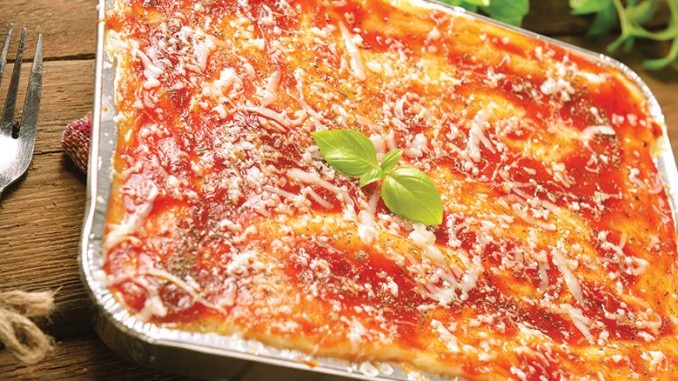
Higher quality ingredients mean that ready meals are better positioned to compete with home-cooked and foodservice dishes, reports Jonathan Thomas
Ready meals are widely sold throughout Europe, in both western and eastern countries. Sales have traditionally been skewed towards northerly nations, such as the UK, Germany and the Benelux and Scandinavian regions – in contrast, the tradition of cooking meals from scratch tends to be stronger in Mediterranean nations such as France, Italy and Spain. Markets tend to be more developed in Western Europe, where disposable income levels and penetration of convenience foods are higher.
The Brits Go for Ethnic Food
The UK has one of Western Europe’s largest and most well-developed markets for ready meals – approximately 3.5 million chilled dishes alone are thought to be purchased every day. UK consumers continue to display an appetite for a wide variety of meals, both traditional domestic recipes and ethnic-inspired varieties. According to data from the National Food Survey, shepherd’s pie is the preferred type of ready meal among UK consumers. However, the widespread popularity of ethnic dishes is illustrated by the presence lower down the list of ready meals such as lasagna, chicken tikka masala and chicken chow mein.
In 2015, the UK ready meals market was worth an estimated GBP3.15bn, having increased by more than 6% compared with the previous year. Growth within recent years has been sustained by the fact that time-pressed consumers continue to seek out convenient meal solutions, whilst the move towards more upmarket and premium products has contributed towards much of the rise in market value.
Chilled Segment Overtakes Frozen
As can be seen from Table 2, the UK market can be segmented into frozen and chilled products. The chilled sector is the larger of the two, worth an estimated GBP2.45bn in 2015 – this represents 78% of the overall category, with value sales having risen by 6.5% within the last year. Premium products are now thought to account for over half of this figure. The frozen sector is smaller and slightly less dynamic, having increased by around 4.5% to GBP700m during the course of 2015.
The increasing premiumization of ready meals has been one of the major growth drivers in recent years, especially now that the economic situation has improved and consumers have been more willing to pay for higher-quality products as a result. Both manufacturers and retailers have been eager to tap into this trend – in April 2016, for instance, Waitrose launched a new premium own-label range comprising over 500 products. The range, which was named Waitrose 1, includes some ready meals, and the company hopes it can achieve sales worth GBP500m in the future. The market has also expanded as it has addressed the health concerns of consumers. This has been evident by the introduction of ready meals with lower calories, salt and saturated fats, as well as via the emergence of more organic and gluten-free dishes. It appears there is further scope to develop this sector of the market, since recent research from Bord Bia found that 30% of UK adults feel the choice of healthy ready meals is still too limited.
Elsewhere in Western Europe
Germany has the region’s other large market for ready meals. In 2015, the category was worth an estimated EUR3.95bn, with sales heavily skewed towards frozen varieties – to date, penetration of chilled ready meals has tended to lag in Germany compared with the likes of the UK and France. Frozen products remain popular with the majority of German consumers, although manufacturers have had to improve labeling and provenance in the face of food safety concerns.
France also has a sizable market for ready meals, with sales worth an estimated EUR1.76bn in 2015. The French market can be segmented into frozen, chilled and canned/ambient products, with the frozen sector worth an estimated EUR625m within the last year. Penetration of ethnic recipes is low in France compared with the UK, since the majority of consumers prefer domestic and/or European dishes, examples of which include paella and lasagna.
Together, the UK, Germany and France account for the bulk of the ready meals market in Western Europe. Smaller markets exist in countries such as Italy, Spain and the Benelux and Scandinavian nations, where penetration of convenience foods is lower and/or populations are smaller. However, future growth in these places is expected, due to the rising number of people living alone, together with improved quality levels which mean that ready meals no longer score so poorly compared with home-cooked or restaurant alternatives.
Main Ingredients
The vast majority of ready meals sold throughout Europe feature one of three central components as their chief ingredient, namely meat/poultry, fish/seafood or vegetables. These are versatile enough to be used in a whole range of different recipes, spanning both traditional European and ethnic dishes. In recent years, however, a greater focus has been placed upon the additives used in ready meals. With consumers turning away from artificial and synthetic additives in greater numbers (especially in sectors such as flavors and coloring), product claims such as ‘only natural ingredients’ and ‘free from artificial ingredients’ have become ever more prevalent within the category.
Meat
Meat is still the preferred form of protein for many of the ready meals sold throughout Europe, especially traditional varieties such as beef, pork and chicken. In recent years, consumers have started to demand better-quality cuts of meat within their ready meals, for reasons such as food safety and provenance concerns. It is for this reason that claims such as ‘contains 100% chicken breast meat’ have become more widespread within the ready meals category, as well as greater usage of labels such as Red Tractor in the UK. One effect of the “horsegate” scandal from 2013 has been the growth of consumer interest in alternative types of meat. This food safety issue has accelerated a trend towards leaner and fresher meat, with provenance having become even more of an important selling point. One notable example has been greater demand for venison, sales of which have benefited from the fact that game meat is becoming more popular in the UK. Within the ready meals sector, this trend has been evidenced by the launch of products featuring venison as the main ingredient – examples include Venison Casserole from Oakhouse Foods and Venison Casserole with Sloe Gin & Potato from Asda.
Fish/Seafood
Ready meals have drawn some benefit from the fact that fish and seafood is now being viewed as a healthier protein form than meat – much of this has been due to growing recognition of its low fat levels, as well as the relatively high content of beneficial nutrients (such as omega-3 fatty acids). Ready meals based on fish are thought to be especially popular in Mediterranean countries (e.g. France and Spain), where per capita consumption of seafood ranks above the European average. Many seafood-based ready meals now carry some form of ethical and/or sustainability accreditation, as a result of concerns regarding overfishing and the depletion of fish stocks in many of the world’s waters. One such example is the Marine Stewardship Council (MSC) eco-label, which is used throughout Europe – according to research carried out by the MSC earlier in 2016, over 60% of UK consumers thought it was important that seafood carried an eco-label. As a result, eco-labels have been adopted in greater numbers by manufacturers and retailers alike. In 2016, Las Cuarenta Paella (a frozen ready meal sold via Netto’s German stores) became the 20,000th product launched to carry the MSC label. Also worthy of note is the growing influence of sushi, which reflects the rising popularity of Japanese cuisine in parts of Europe. In France, sushi sales rose by 44% to EUR113m in 2014, while the Spanish market is now worth in the region of EUR10m per year. Much of this growth has been driven by recognition of sushi’s health and nutritional benefits, which suggests that it is set to feature more strongly within the European ready meals market.
Vegetables
Usage of vegetables within the ready meals industry remains at high levels, since many people now follow a meat-free diet – or, at least, are making conscious efforts to reduce their meat intake. Vegetarian recipes are available in most sectors of the ready meals market – examples include ethnic-inspired dishes such as Indian and falafel, as well as vegetarian alternatives of burgers, sausages and pies. Some of the more common vegetables used as the basis for vegetarian ready meals include mushrooms, onions, peppers, broccoli and, increasingly, butternut squash and sweet potatoes. In 2016, Tesco extended its range of vegetarian foods with new products geared towards barbecue occasions, one of which was Cauliflower & Mushroom Steaks with a Lemon & Garlic Drizzle. According to Tesco, sales of its chilled vegetarian ready meals are currently growing by 20% per year.
Grains, Superfoods and the Free-From Trend
Grains and other cereal products have assumed increasing significance within the manufacture of ready meals. Of particular interest at present are so-called ‘ancient grains’, notable examples of which include quinoa, hemp, chia, sorghum, spelt and amaranth. It has been suggested that these grains will feature as ready meal ingredients to a greater degree, owing to their alleged health benefits. On a related note, ready meals free from gluten and dairy continue to appear in many European markets. As such, the ‘free from’ sector is expected to account for a greater share of sales of ready meals in coming years.
Choice of ingredients used in the manufacture of ready meals is also determined to a large extent by health concerns. Earlier this year, for example, Kerry Foods launched a new range of products in association with Men’s Health magazine. Targeted at health and fitness-conscious males, the new ready meals (examples of which included Thai Red Chicken Curry and Chicken Tagine with Chickpeas) were promoted as being high in both protein and fiber, as well as low in fats, salt and sugar. Protein represents a particularly popular ingredient at present, owing to its links with satiety and weight management.
Ingredients offering functional health benefits have also emerged. Although seafood-based dishes are often promoted as being high in omega-3s, for example, suppliers are also incorporating specific functional health ingredients within their products. As an example, Marks & Spencer has recently launched new ready meals featuring oat beta-glucans, which are claimed to help lower cholesterol. Varieties in the range included Beef & Vegetable Hot Pot, Red Thai Chicken Noodles and Moroccan Meatballs with Quinoa Cous Cous.