

Frozen processed food in Italy posts a flat performance in 2013 despite low per capita consumption and untapped potential.
According to Euromonitor International, the performance of frozen processed food in Italy was flat in 2013, with sales increasing by just 1% in volume terms. However, this means it outperformed the wider packaged food market, which recorded a decline. Compared to other European countries, Italy has the fourth highest volume sales of frozen processed food but one of the lowest levels of per capita consumption. This indicates that there is still considerable potential to increase sales. Indeed, even though frozen food has been historically perceived as low quality by Italian consumers, the latest developments show that Italians are starting to appreciate the benefits of frozen food products. Frozen processed food has also benefited from manufacturer investment in reassuring consumers about the quality and safety of their products and is no longer considered an emergency food by many consumers. For instance, Orogel has introduced packaging which features a QR code which can be scanned with a smartphone to allow consumers to trace the origins of its frozen vegetables.
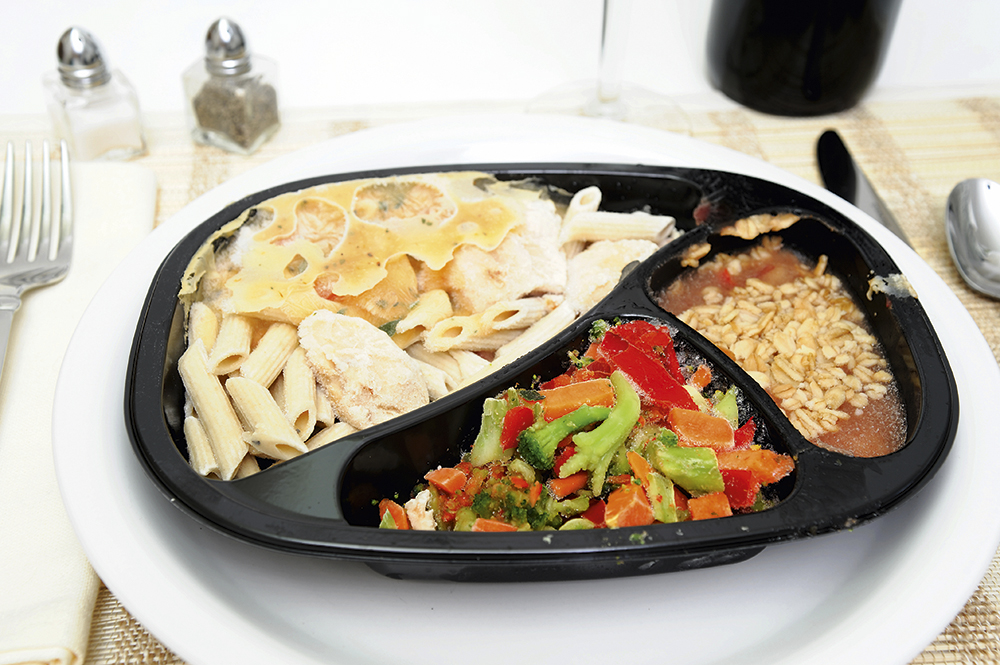 Rising demand shaped by convenience
As Italian families and lifestyles are changing, demand for frozen processed food is taking a new direction. As a consequence of the economic crisis and subsequent decline in purchasing power, Italians have become more restrained and rational with their purchases. They are more concerned about food waste and instead of giving up on essential goods they are focusing on reducing waste to save money. Frozen food can provide a solution as, particularly when it comes to vegetables, it creates less waste during preparation and allows only what is needed to be cooked, with the rest stored for a later date. The structure of Italian families is also changing. The number of people living alone is increasing and the number of working women has risen in recent years. According to Euromonitor International, the number of single-person households increased by 13% over 2008-2013, while the percentage of the female working population increased slightly by half a percentage point. These two factors have led to stronger demand for convenience foods. The search for convenience often means single portions and thanks to frozen food a single person is able to eat just what is needed, thereby avoiding food waste. In addition, it also allows the consumption of a wider variety of foods. In terms of time saving, frozen meals are quick to cook and require little or no preparation.
Frozen food by category
Sales of frozen vegetables and potatoes driven by increasing awareness of and demand for healthy options and a balanced diet
Vegetables is the core category, accounting for 44% of total frozen processed food volume sales in Italy, and being one of the most dynamic in terms of volume growth. Among vegetables, spinach, green peas, herbs and mixed vegetables were particularly popular in 2013. Consumers are recognizing the real added value and nutritional benefits of frozen vegetables. Indeed, increasing awareness of the importance of vegetables in the daily diet is leading Italians to consume more greens. Thanks to frozen vegetables they can get all the nutritional benefits without the hassle of preparing them. Consumers appreciate the fact that frozen processed vegetables are already washed, are available throughout the year for the same price and, as they are frozen straight after being picked, they maintain their nutritional value.
Italians are becoming more concerned about the quality but also the variety of the nutritional components of their meals, and thanks to frozen vegetables can include a number of different vegetables in one meal. For these reasons, products which offer a variety of vegetables saw a positive performance in 2013. Among these, however, minestrone and other vegetable soups which require more time to prepare and are more expensive posted a negative performance in 2013. Frozen potatoes, accounting for around 15% of total frozen food volume sales, succeeded in maintaining its volume sales in 2013, driven by sales of frozen potatoes through discounters. Frozen potatoes benefited particularly from new product launches, such as Patasnella Frisè and Fiammifero Croccantixximi from Pizzoli, along with growing awareness that frozen potatoes can guarantee a better end result than fresh ones, especially when it comes to frying them. In volume terms, oven baked potatoes put in a better performance than non-oven frozen potatoes as they are healthier and easier to cook.
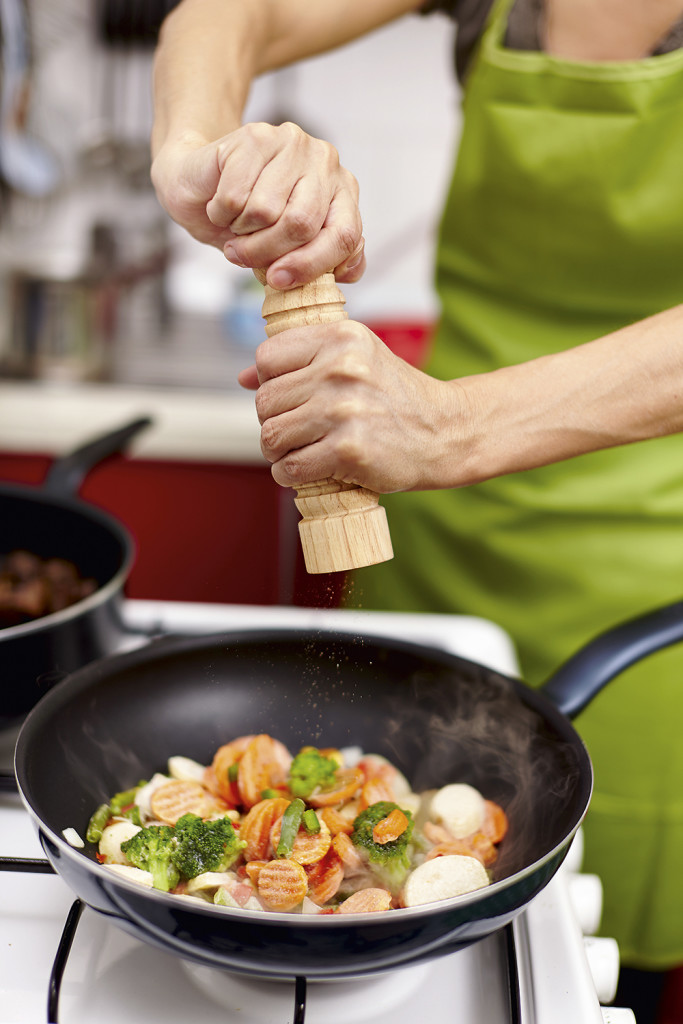 Ready meals and pizza
Frozen ready meals and frozen pizza witnessed differing performances in 2013. While frozen ready meals declined by 2% in volume terms, frozen pizza achieved a gain of 3%. Innovation and price were the reasons behind this. Frozen ready meals are perceived not only as lower in quality than chilled/fresh ones but they also command a higher unit price and in times of economic duress consumers look for cheaper alternatives. Innovation has a positive impact on frozen ready meals as it is perceived as an improvement in quality. In 2013, the focus of innovation moved away from consumers’ interests and tastes. Indeed, innovation in frozen ready meals was more about new kinds of pasta and rice dishes rather than so-called Italian “second dishes” or ethnic specialities.
Consumers are looking for something more than simple pasta and rice dishes. They are interested in organic products, higher quality and different varieties of meat and fish dishes. Frozen pizza in 2013 grew by 3% in volume terms thanks to improvements in quality and a widening product range. Quality was improved thanks to oven-baked frozen pizza. It is also worth mentioning that 2013 saw a strong switch in pizza consumption from the foodservice to the retail channel. With regard to frozen pizza, consumers are not only focused on quality, which is related to the way the pizza is cooked before it is frozen, but also on new developments, which account for around 10% of category sales. Manufacturers are focusing on new recipes and new tastes and, more importantly, bigger portions. 30cm diameter pizzas performed better than standard 26cm variants. The reason for this was that the consumption of pizza moved from restaurants and pizzerias to private homes due to the economic downturn, while consumers paying less for pizza also wanted bigger portions. In 2013, a new version of “pizza alla pala”, a longer version of the average pizza, was introduced to the market. This new pizza is perceived as being of better quality than standard variants as it is cooked in a wood oven, which provides a better aroma.
Frozen fish and meat
Frozen fish/seafood achieved very moderate growth in volume terms in 2013, accounting for 12% of total frozen food volume sales in Italy. Frozen fish has been hampered by an increase in prices due to a scarcity of resources and companies and retailers being unable to offer promotions and discounts. In spite of this, consumers were not only driven by price as they also recognized the real added value of these products in terms of good quality and health attributes. Manufacturers have been able to sustain volume sales thanks to ad-hoc communication strategies that highlight the nutritional value of fish products, such as being “rich in omega-3”. Within frozen fish, breaded fish performed better than other types such as frozen seafood and whole fish, which have higher average unit prices. Breaded fish and fish fingers are the frozen fish types that Italian consumers prefer, especially singles and young families that have less time to prepare food and are less fussy about food culture. The traceability of products has been a key factor in influencing consumer choice.
With regard to frozen meat, it is worth mentioning that while frozen poultry achieved moderate growth in 2013, frozen red meat experienced a decline in volume terms. In 2013, the frozen meat industry in Italy was affected by the horse meat scandal, with the Italian media focusing on this for a long time. However, the scandal affected sales of frozen meat only temporarily. In terms of production, the most significant effect of the horse meat scandal was an increase in costs as many raw materials with uncertain traceability were avoided and supply diminished, thus increasing costs and so prices too. These price increases reduced demand for frozen meat and, as consumers are looking for cheaper products, they found a substitute in frozen poultry, especially chicken, which has a lower unit price. Sales of frozen meat were also affected by increasing media coverage about the dangers to health of eating too much meat, with some consumers consequently turning to frozen meat substitutes.
 New trends
Frozen meat substitutes achieved the strongest volume growth in Italy in 2013, with this category also offering further growth potential in the future. Sales are growing from a low base and the category remains a niche, but consumer desire for healthier options and increasing media coverage about excessive meat consumption are pushing consumers towards meat substitutes containing vegetable proteins. Indeed, as mentioned above, Italians are becoming increasingly interested in and attracted by the nutritional value of products and this trend will undoubtedly strengthen in the future. Soy burgers, soy balls and breaded soy cutlets from Alcass are all performing well in volume terms. The frozen food aisles are witnessing a continuous increase in number of organic products, although in Italy the consumption of organic produce is still lower than in the rest of Europe.
In fact, there is great potential for organic frozen food in Italy given that consumers are well disposed to the concept of organic products, but not enough organic frozen food products are distributed by retailers. Promotional strategies aimed at increasing product awareness and attracting Italians to organic food need to be implemented as retailers expand their ranges. While in other categories the difference in price between organic and non-organic products is quite high, according to marketers organic frozen products could be sold at the same price as non-organic ones. For this reason, this niche is also attracting private label players, which in 2013 started to sell entire ranges of frozen organic products. Coop has recently introduced the “ViviVerde Coop” product range, which includes vegetable lasagne and breaded soy cutlets.
Gluten-free products are also performing very well as they are perceived by consumers as healthier alternatives and are also being bought by consumers who are gluten-intolerant. In this case, gluten-free frozen food has been helped by the fact that retailers like Bofrost, Coop Italia and Esselunga have expanded their product ranges in order to follow the gluten-free trend which is also present in other food categories.
Future development
According to Euromonitor International, frozen processed food in Italy is expected to register a CAGR of 2% in both value (at constant 2013 prices) and volume terms over 2013-2018. Manufacturers will have to focus on reassuring consumers about the quality and safety of frozen food products as this will be their main concern in the years to come. The main players will have to focus on the advantages of frozen food in terms of nutrition, food waste and portion control, as these are the main factors attracting Italian consumers. Innovation will also be a key purchasing criterion and a winning strategy will be to invest in frozen ethnic products. According to the latest data from the Italian national statistics office, in Italy there are almost five million foreigners and this, together with the increasing interest of Italians in international food, could represent a potential market for manufacturers. The categories that will drive the growth of frozen processed food in Italy will be frozen pizza and frozen meat substitutes.
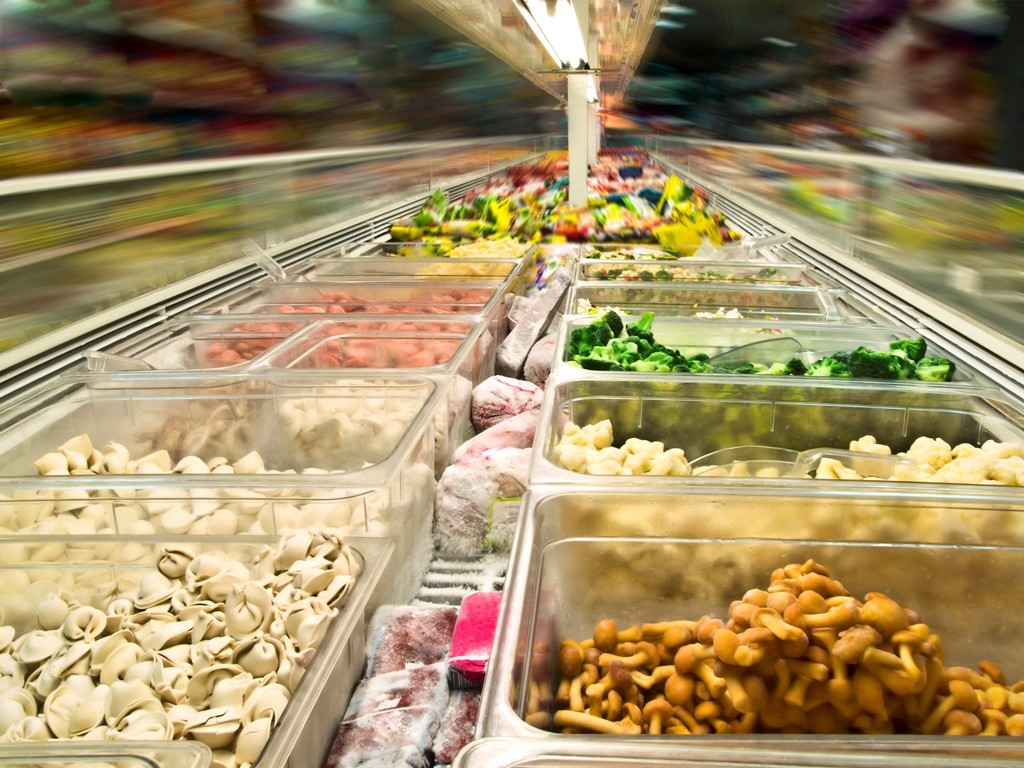 Frozen pizza is expected to grow as manufacturers will introduce new brands and will improve the quality of existing products. New varieties of oven-baked frozen pizza with different toppings are expected in the years to come. Frozen meat substitutes, growing from a low base, will be very dynamic in the years to come as the consumption of red meat in Italy is decreasing and there are no signs of this trend slowing. Consumers will look for sources of vegetable protein to make up for the decline in meat consumption. Moreover, due to the growing trend for healthier eating, manufacturers are predicted to launch products with a reduced fat, sugar and salt content and without additives and preservatives.
Potential threats to the growth of frozen food include the alternative of chilled fresh food, which for some consumers is generally perceived as offering better quality. In addition, rising raw material costs which will force an increase in prices may also limit opportunities to develop the category. This will have a detrimental impact on small- and medium-sized players which will find price negotiation with grocery retailers more difficult than multinationals. In response to these threats, manufacturers are expected to continue to invest in product development in terms of recipes, cooking techniques and new food categories. With Italians looking for greater convenience when it comes to food preparation, there is room for growth and therefore a positive outlook for frozen processed food.