
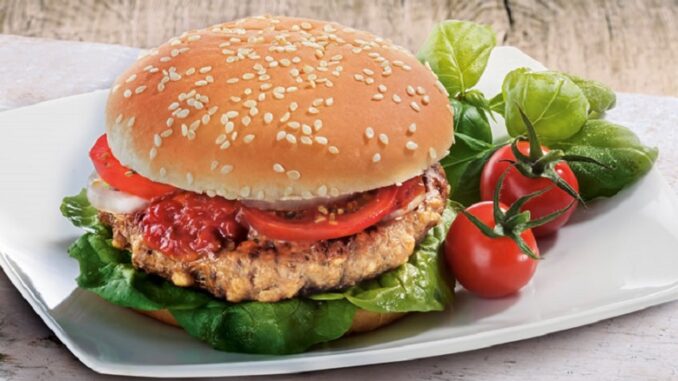
Within the larger frozen foods sector, the frozen burger market is a substantial and expanding segment. Frozen burgers have become a household mainstay as the demand from consumers for quick supper options rises. These frozen patties, which can be either raw or precooked, provide a convenient and speedy alternative for individuals, families, and even restaurants who want to simplify their processes.
The rising popularity of outdoor and indoor grilling is one of the factors driving the growth of the frozen burger market. Customers can enjoy the flavor and texture of a grilled burger without having to deal with the trouble of making their own fresh patties by using frozen burgers. Large companies in the sector have benefited from this trend by providing a large selection of frozen burger options, such as classic beef patties, turkey burgers, vegetarian burgers, and, more recently, plant-based substitutes.
In the frozen burger industry, product innovation and brand recognition are essential. Prominent brands have successfully seized a substantial portion of the market by capitalizing on their well-earned reputation for excellence and flavor. Simultaneously, niche and smaller firms have achieved success by offering products that specifically appeal to consumer preferences, such organic, grass-fed, or gluten-free options. The market’s liveliness has also been aided by the development of novel and distinctive flavor profiles and the addition of trendy ingredients like quinoa or kale. According to the research company IMARC, the global consumption of pre-packaged burgers at quick-service restaurants and diners is currently being positively impacted by the expanding food and beverage (F&B) industry as well as the rising trend of customers dining out.
The growing market forecast for convenience food products is one of the main factors contributing to this trend. Furthermore, several companies are offering single-serve and environmentally friendly packaged pre-made burgers. Additionally, they are producing novel products that contain additives including phosphates, salt, spices, and flavor enhancers. In an effort to reach wider audiences, these companies are expanding their online presence and offering gluten-free, high-protein frozen goods. This is contributing to the market’s rise along with the e-commerce industry’s rapid growth.
The convenience of using pre-packaged food items and the expansion of various kinds of fast food-serving retail stores are two more factors that are fueling the market’s growth. The industry is expected to rise as plant-based packed burgers with extracts of carrot, beetroot, bell pepper, and other high-protein ingredients become more and more popular.
Plant-based still the trend to follow
In 2023, the market for plant-based burgers is expected to be valued at USD5.1bn and grow at a CAGR of 16.3%, reaching USD23.2bn by 2033, according to Future Market Insights. In 2022, the market grew significantly compared to 2018. The global market for plant-based hamburgers was estimated by FMI to be worth USD4.2bn in 2022. Plant-based burgers are perceived as a healthier option than conventional beef burgers by consumers who are interested in adopting healthy eating practices.
The products are generally high in fiber and other healthy elements and low in calories and saturated fat. Additionally, people are becoming more conscious of how raising beef affects the environment, and they view plant-based burgers as a sustainable alternative. Compared to cattle burgers, the production of plant-based burgers uses less resources and produces less greenhouse gas emissions. In recent times, producers of plant-based burgers have achieved noteworthy progress in enhancing the flavor and caliber of their offerings.
Consumer access to plant-based burgers is increasing as they become more commonly offered in grocery shops and restaurants. Furthermore, as more people switch to plant-based diets, there is a growing need for plant-based burgers. The market is getting more and more congested every year as more companies enter the field. Saturation of the market could be the result, making it difficult for individual businesses to differentiate themselves and continue growing. Due to their higher cost compared to conventional beef burgers, plant-based options may not be as appealing to consumers who are budget conscious. Also, it should be noted that even if the flavor and texture of plant-based burgers have greatly improved over time, some customers might still prefer the flavor and texture of classic beef burgers. The availability and price of plant-based burgers may be impacted by supply chain interruptions because the supply chain for plant-based components might be complicated.
To read the entire article, please access your complimentary e-copy of Frozen Food Europe May-June, 2024 issue here.