
Polyurethanes play a key role in supplying the world with food. Rigid polyurethane foam is used to insulate around 95 percent of the planet’s refrigerators. This high-performance insulating material can be found throughout the cold chain, ensuring that food products fresh from the field make it to the table without spoiling.
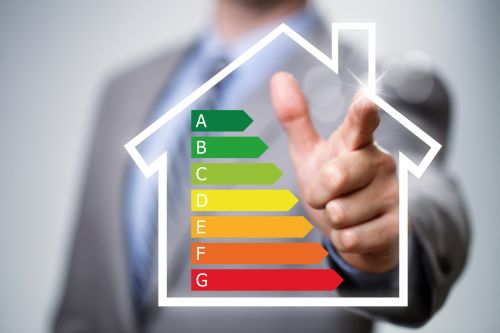
Thanks to polyurethanes, today’s A++ refrigerators are now around 60 percent more efficient than the equivalent energy-efficiency class B or C appliances that were the norm 15 years ago. The requirements relating to insulating performance will increase further still in the future. A+++ appliances were launched a few years ago, while energy labels for far lower requirements will gradually become invalid.
Insulating materials are also benefiting from ongoing development. The insulating performance of the Microcell polyurethane system from Bayer MaterialScience is another ten percent more effective than the current standard. This means further energy and cost savings for households and an additional reduction in CO2 emissions – a good example of life cycle thinking. In order to achieve this, research staff from the company have further reduced the pore diameter of the latest foams by up to 40 percent.
“The pores are barely thicker than a human hair, which results in correspondingly low thermal conductivity,” explains Dr. Reinhard Albers from Bayer MaterialScience, an expert in insulating refrigeration equipment. In addition to saving on energy costs, this also helps the environment. Replacing all class B and C refrigeration equipment with modern appliances in energy-efficiency category A++ would reduce annual CO2 emissions in Europe by 22 million metric tons.
While consumers and the authorities are calling for refrigeration equipment with ever higher energy efficiency, the competition is forcing manufacturers to cut costs and improve productivity. Bayer MaterialScience has developed customized product and process engineering solutions with these demands in mind. The Microcell insulating system enables cost-efficient processing using established foam technologies and also features good flow and mold removal properties.
In addition to their good insulating performance, polyurethanes are also lightweight, making refrigeration equipment and coolers easy to transport. The combination of low density and a closed-cell structure also results in a favorable insulation-to-material-thickness ratio. This saves space and also delivers impressive energy savings.
With 2014 sales of EUR 11.7 billion, Bayer MaterialScience is among the world’s largest polymer companies. and a part of Bayer Group.